Yorkies may look glamorous year-round, but their grooming needs definitely change with the seasons. What works in the middle of summer can actually cause problems in winter—and vice versa.
Because Yorkies have hair, not fur, they’re more sensitive to heat, cold, dryness, and tangles. The good news? With a few seasonal tweaks, you can keep your Yorkie comfortable, healthy, and looking adorable no matter the weather.
Let’s break it down.
Summer Yorkie Grooming Tips ☀️
Summer can be tough on Yorkies. Heat, humidity, and outdoor fun all mean extra grooming attention.
1. Consider a Shorter Summer Cut
You don’t need to shave your Yorkie, but a shorter “puppy cut” can make a big difference.
Why it helps:
Keeps them cooler
Reduces tangles and matting
Makes brushing easier
Just don’t go too short—Yorkies can get sunburned!
2. Brush More Often (Yes, Really)
Even with shorter hair, summer means more dirt, sweat, and tangles.
Tip:
Brush at least every other day
Pay extra attention to armpits, behind the ears, and the belly
A quick daily brush prevents painful mats later.
3. Bathing: Don’t Overdo It
It’s tempting to bathe more in summer, but too many baths can dry out your Yorkie’s skin.
Best practice:
Every 2–4 weeks, unless they get especially dirty
Use a gentle, dog-safe shampoo
Always condition to prevent dryness
4. Watch for Hot Spots and Skin Irritation
Heat and moisture can lead to itchy skin or hot spots.
Keep an eye out for:
Red or moist patches
Excessive licking or scratching
Hair loss in one area
If you notice anything suspicious, it’s time to call the vet.
5. Trim Paw Hair Regularly
Long hair between the paw pads can trap heat and dirt.
Summer must-do:
Keep paw pads neatly trimmed
Check for foxtails, burrs, or debris after walks
Winter Yorkie Grooming Tips ❄️
Cold weather brings its own challenges—especially dryness and tangles.
6. Let the Coat Grow a Bit
In winter, a little bit of a longer coat can help keep your Yorkie warm.
Bonus:
It also protects skin from dry indoor air
Helps reduce static and breakage
You can still keep the face and sanitary areas neatly trimmed.
7. Moisturize Dry Skin
Winter air is rough on Yorkie skin.
Helpful habits:
Use a moisturizing dog shampoo
Add a dog-safe conditioner
Consider a vet-approved skin supplement
If your Yorkie is itchy all winter, dry skin may be the culprit.
8. Brush Daily to Prevent Mats
Coats, sweaters, and blankets create friction—and mats love friction.
Focus areas:
Collar and harness lines
Under sweaters
Behind the ears and legs
A few minutes a day saves a lot of stress later.
9. Don’t Skip Baths Entirely
Even in winter, Yorkies still need baths.
Just remember:
Dry them completely (especially ears)
Avoid cold drafts after bathing
Space baths out slightly longer than in summer
10. Trim Nails and Paw Hair All Season
Long nails affect posture and comfort year-round.
Winter bonus tip:
Trim paw hair to prevent ice balls and slipping
Check paws for cracking or dryness
Year-Round Grooming Tips for Yorkies 🐶
No matter the season:
Stick to a regular brushing routine
Use tools designed for fine hair
Keep grooming sessions calm and positive
Reward with treats and praise
Grooming isn’t just about looks—it’s a chance to check your Yorkie’s skin, ears, teeth, and overall health.
Final Thoughts
Seasonal grooming isn’t complicated—it just means adjusting to your Yorkie’s needs as the weather changes. A few small changes between summer and winter can make a huge difference in comfort, health, and happiness.
And let’s be honest… a well-groomed Yorkie just feels better to cuddle. 💙🐾
Cathy Bendzunas
Dog Blogger, Former Dog Groomer
I have adored Yorkies for well over 50 years. As a young adult, I began to show and breed them. Now, I just write about them and have several in my little pack of small dogs.
I have had dogs all my life and have trained as a dog groomer. I also have been a kennel worker, worked in a pet hotel through PetSmart, and still am a pet sitter.
Let’s face it, your Yorkshire Terrier is basically a furry, four-legged superhero. They have the heart of a lion crammed into a small package.
But come winter, that lion heart is wrapped in a surprisingly thin, silky coat, standing on teeny-tiny paws that feel the cold faster than you can say “walkies.” Winter isn’t their natural habitat. So, as their trusty pet parent, it’s your job to help them weather the season in cozy, safe style.
Think of this as your Yorkie’s winter survival kit—covering everything from their dainty paws to their overall comfort.
Paw Patrol: The First Line of Defense
Those little paws are tough, but they’re not immune to winter’s harshness. Ice, snow, rock salt, and chemical de-icers are the arch-nemeses here.
The Salt and Chemical Menace: Road salt and de-icing agents can cause painful burns, cracks, and dryness. Even worse, your Yorkie will try to lick it off their paws, ingesting toxic chemicals.
The Snowball Effect: Snow and ice love to cling to the fur between their paw pads, forming painful little ice balls that are uncomfortable to walk on.
The Pre-Walk and Post-Walk Ritual is Non-Negotiable:
Armor Up: Before heading out, apply a pet-safe paw balm or wax (like Musher’s Secret). It creates a protective barrier against salt and moisture, and helps prevent cracking.
The Great Meltdown: After every walk, immediately wipe down their paws, legs, and belly with a warm, damp cloth. This removes all salt, chemicals, and melting snow. Don’t forget to dry them thoroughly!
Trim and Tidying: Keep the hair between their paw pads neatly trimmed. This gives ice and snow less to grab onto and gives them better traction.
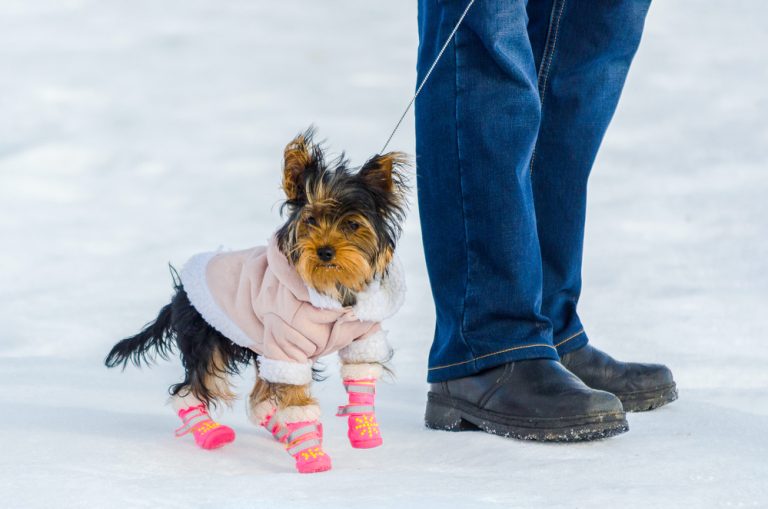
Fashionable Footwear: For serious winter weather or salty sidewalks, consider dog boots. Yes, the first walking attempt might be a comedy show, but with patience and treats, many Yorkies accept them. They’re the ultimate protection.
The Great Coat Debate: To Sweater or Not to Sweater?
The answer is almost always: TO SWEATER.
A Yorkie’s coat is hair, not fur. It lacks a dense, insulating undercoat. Once that top layer gets damp from snow or cold rain, they chill down fast. A coat isn’t just a fashion statement; it’s essential insulation.
The Layering System:
Base Layer (for the truly frigid): A thin, soft jersey or fleece sweater for short potty breaks.
Insulation Layer: A thicker, water-resistant or waterproof puffer-style coat for walks. Look for one that covers from the neck to the tail base.
The Fit is Everything: It should be snug but not restrictive. Ensure it doesn’t rub under their arms or impede potty business!
Post-Adventure Care: Always remove a damp or snowy coat immediately and towel-dry your Yorkie. Letting them sit in a wet sweater is like you sitting in a wet swimsuit—brrr!
Beyond the Basics: Cold Weather Safety Smarts
Limit Exposure: Yorkies are not built for long winter hikes. Keep walks shorter and more frequent. If it’s too cold for you to stand outside without a coat, it’s too cold for your Yorkie to be out for long.
Beware of Hypothermia: Shivering, whining, anxiety, lethargy, and pale gums are signs. If you see these, get them warm and dry immediately and call your vet if you’re concerned.
Indoor Coziness: Provide plenty of warm spots inside—a plush bed away from drafts, a cozy blanket cave, or a heated dog bed (with a removable, chew-proof cover). We keep a heated blanket going on cold days on the couch. They love it!
Hydration and Diet: They burn more calories trying to stay warm. Talk to your vet about whether a slight increase in food is appropriate. And ensure fresh water is always available—winter air is dry!
Car Safety: Your Yorkie is a lap dog, not a car dog. Never leave them alone in a cold car, which can quickly become a refrigerator.
Grooming Matters: A clean, mat-free coat actually provides better insulation. Keep up with regular brushing, but maybe hold off on the full “puppy cut” until spring. A little extra length can help keep them warm. As long as it’s not so long that it’s dragging on the ground and getting wet.
The Bottom Line
Winter with a Yorkie is about mindful preparation and embracing the cozy. It’s about trading long rambles for quick, well-protected potty missions and marathon couch cuddle sessions. By suiting up those paws, bundling up that little body, and keeping a watchful eye, you’re not just protecting your tiny titan—you’re ensuring that winter is just another season full of love, comfort, and shared warmth.
Now, who’s ready for a quick walk and then some hot cocoa (for you) and a nice chew by the heater (for them)? Stay warm out there, Yorkie squad!
Cathy Bendzunas
Dog Blogger, Former Dog Groomer
I have adored Yorkies for well over 50 years. As a young adult, I began to show and breed them. Now, I just write about them and have several in my little pack of small dogs.
I have had dogs all my life and have trained as a dog groomer. I also have been a kennel worker, worked in a pet hotel through PetSmart, and still am a pet sitter.
Is your Yorkshire Terrier looking more scruffy than cute lately? Grooming a Yorkie can feel like a full-time job, and not to mention, pricey if you’re visiting the salon every month.
But, great news—achieving that fabulous, Instagram-ready look for your fur baby doesn’t have to break the bank. With a handful of DIY grooming hacks, you can keep your pup looking stylish and feeling pampered.
Dive into our guide to discover how you can become your pup’s personal grooming guru!
1. The Importance of Regular Grooming
Keeping your Yorkie well-groomed isn’t just about aesthetics. Regular grooming is essential for their health. It prevents skin problems and maintains their coat’s shine.
Yorkies have delicate skin that is prone to irritation if not cleaned regularly. Grooming helps identify any health issues early on.
Understanding the key role grooming plays can be an eye-opener, shedding light on why it’s all worth it in the end.
2. Gathering Your DIY Grooming Toolkit
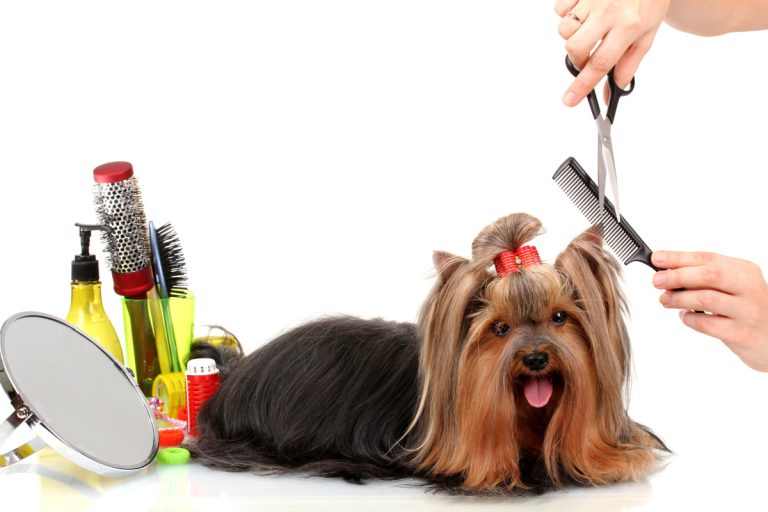
All set to transform your living room into a pet spa? Your first step involves assembling the perfect toolkit. Think clippers, a slicker brush, a fine-toothed comb, and detangling spray.
Don’t forget about using a calming spray to ease your dog into the grooming process—it works like magic.
Remember, it’s not about buying the most expensive tools, but the right ones that suit your Yorkie’s specific needs.
3. Bathing: More Than Just Splashing Water
Bath time can be a bonding experience or a tufts-of-fur-down-the-drain nightmare. It’s crucial to keep it enjoyable.
Since Yorkies are small, most people bathe them in the kitchen sink. Put a hand towel or rubber mat on the bottom so your dog won’t slide around everywhere.
One hack I do to make shampooing easier is to use a small squirt bottle (I use an empty small Dawn dishwashing bottle) and pour half shampoo and half water in the bottle. Shake it up before using it on your dog. This not only saves money on shampoo but it also helps the shampoo spread easier. And I find it gives me better control over where I want to put the shampoo.
Dreading the dreaded wet-dog shake? Try gently massaging your pup’s ears and back to keep them calm and still.
4. Drying: Patience and the Right Technique
Once bath time is over, drying your Yorkie is the next key step. Towel drying is essential, but avoid vigorous rubbing, which can tangle the fur.
Using a blow dryer? Keep it on a low heat setting and maintain distance to prevent irritating your pup’s sensitive skin.
For a professional finish, use a slicker brush while drying to help detangle and add volume to their coat.
5. Mastering the Art of Trimming
Trimming your Yorkie’s fur might sound daunting, but with a few tricks, you can get salon results.
Start with blunt-nosed scissors for safety, and focus on trimming around the paws, underbelly, and ears. I prefer the smaller scissors for grooming small dogs.
Remember to go slow and use treats as incentives—patience is key to achieving that adorable puppy cut.
6. Nailing the Nail Trim
Nail trimming can make both owner and Yorkie nervous, but it’s crucial for their health.
Opt for a pet nail grinder to avoid sharp edges and accidents. If you hear clicking on the floor as your dog walks, it’s time for a trim.
Begin gradually, offering treats and praise, and stop before you think your pup’s had enough—the next session should always feel positive.
7. Brushing: The Daily Ritual
Daily brushing not only keeps your Yorkie looking polished but also prevents mats and tangles. I also use a de-tangler spray and you can read my review here: BioSilk detangler spray. It works great and smells good.
Use a slicker brush to fluff and a pin brush for styling. Start at the head and work your way down to ensure comprehensive coverage.
This ritual doubles as bonding time, helping you check for skin irritations or parasites.
8. Ears & Eyes Care: Keeping it Clean
Yorkies have big, expressive eyes and delicate ears that benefit from regular cleaning.
Use a gentle ear-cleaning solution and cotton pads for ear care. Avoid using anything harsh that might irritate sensitive skin.
For tear stains, try using a warm damp cloth to gently wipe around the eyes—keeping things fresh and clear. You can also use an over-the-counter eye wash. Wet the cloth or a cotton ball with the solution, then hold it on the crusty part of the eye for a minute to soften the crust and then moisten another part of the cloth or wipe with the solution or water and wipe the crust off. You may need to repeat this.
9. Checking for Fleas and Ticks
Maintaining regular checks for fleas and ticks is essential for your Yorkie’s health and happiness.
Use a flea combto spot and remove any intruders then follow up with a suitable flea treatment recommended by your vet.
Ensuring your pup is parasite-free keeps them comfy and saves you from costly vet visits.
10. Keeping Your Yorkie’s Teeth Sparkling
Yes, doggie dental care is a thing! A toothbrush and pet-friendly toothpaste are your allies against bad breath and gum disease. I find using a finger brush to be easier than a doggy toothbrush.
Make this a weekly routine—don’t force it, but rather reward your pup afterward.
Think of it as adding a little sparkle to their award-winning Yorkie smile.
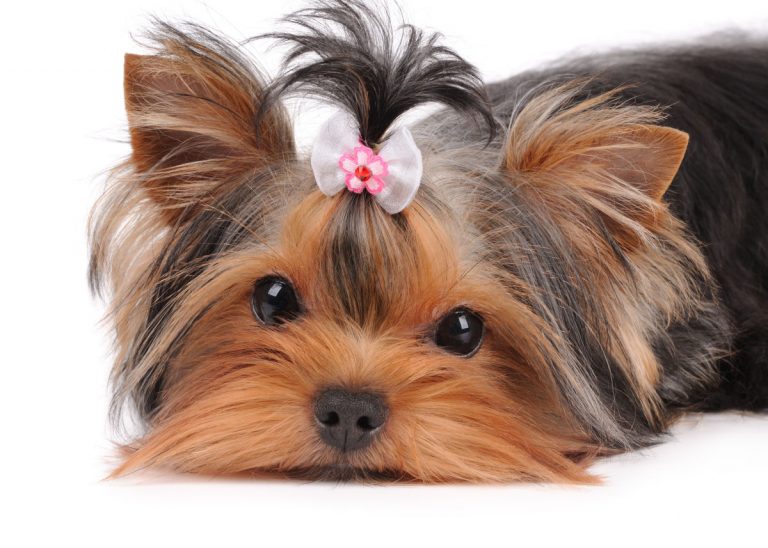
11. Styling the Signature Yorkie Topknot
The iconic Yorkie look isn’t complete without the adorable topknot – it serves fashion and function.
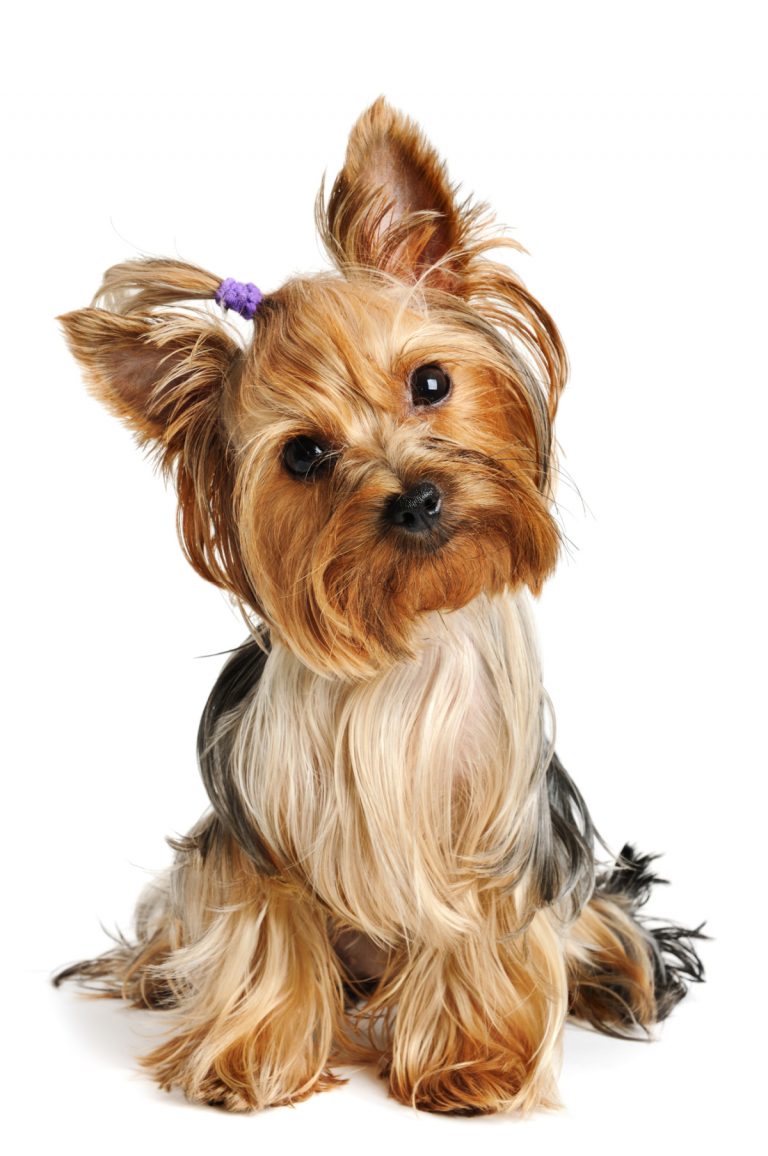
Using a soft band, gather hair from above the eyes, ensuring to pull loosely for comfort.
Customize with a little bow or ribbon for that show-stopping cuteness overload.
12. Seasonal Weather Adjustments
Seasons change, and so should your grooming routine. In winter, focus on moisturizing the coat and paws. You can go the natural route and massage their skin and coat with coconut oil before a bath. Or you can use a moisturizing conditioner.
Summer calls for lighter trims and regular hydration. Just like us, your Yorkie appreciates cooling off on a warm day.
Being aware of these changes means a happier, more comfortable furball.
13. Building a Routine
Creating a grooming schedule can make life a lot easier for both you and your Yorkie.
Consistency helps your dog know what to expect and makes the overall process less stressful.
Every month, mark your calendar with grooming days, backed with plenty of treats and positive reinforcement.
14. Overcoming Grooming Challenges
Every Yorkie is unique, and some may have specific grooming challenges, whether it be anxiety or sensitivity.
Understand your pup’s triggers and work around them using soothing music, gentle words, or quick breaks.
Patience and understanding will transform challenging groomings into a peaceful, bonding time.
15. Celebrating Your Yorkie’s Personality
Finally, don’t forget to celebrate the little victories. Every grooming session is a step toward your Yorkie’s unique style.
Be proud of your creativity and share your pup’s makeover on social media channels to inspire other pet owners!
After all, a well-groomed Yorkie is a happy Yorkie, and that happiness is infectious.
Conclusion: Wrapping Up Your Yorkie Grooming Adventure
Congratulations! You’ve reached the end of this grooming guide, ready to tackle any Yorkie-related beauty challenge.
The journey of DIY dog grooming is full of surprises and rewards—ranging from budget cuts to strengthening the bond with your furry friend.
Share your grooming triumphs and any tips you have with fellow Yorkie owners and spread the joy. Remember, the key is to have fun with your fabulous furball!
Cathy Bendzunas
Dog Blogger, Pet Sitter, Former Pet Hotel Employee, Pet Groomer
I have adored Yorkies for well over 50 years. As a young adult, I began to show and breed them. Now, I just write about them and have several in my little pack of small dogs. I have had dogs all my life and have trained as a dog groomer. I also have been a kennel worker, worked in a pet hotel through PetSmart, and still am a pet sitter. Check out my bio for more information about me.
Yorkie puppies are super cute and full of life, definitely making their families happy! But, having one means you’ve got to be ready to plan and put in some time.
Having a daily schedule is key to keeping them healthy, happy, and growing right.
New to Yorkie Parenting?
If you’re wondering about the daily routine for your fur baby, you’re in the right place for some advice! Yorkie puppies’ needs change as they grow, so the correct schedule considers their age, size, food, and exercise requirements.
Balancing feeding, grooming, play, and sleep will make your Yorkie thrive! Here’s how you can offer your fur buddy the best care possible!
Understanding Your Yorkie Puppy
Yorkie pups are a delight, brimming with personality and irresistibility! They are confident, crave attention, and are smart. They love playtime but also appreciate relaxing cuddles.
Regular grooming and dental care are essential. Early socialization is crucial, so introduce them to new environments and companions early.
By embracing their unique traits and offering loads of love, you’ll enjoy countless happy moments together!
Creating a Daily Schedule for Your Yorkie Puppy
Morning Routine: Start with a stroll and potty break, followed by breakfast around 7 or 8 a.m.
Afternoon Activities: Allow them nap times but intersperse with fun activities and walks for bonding and socialization.
Evening Schedule: Serve dinner around 5 or 6 p.m., followed by another walk or playtime.
Bedtime Rituals: A last chance for a potty break and a relaxing bedtime routine help signal it’s time to rest.
Staying consistent with this schedule makes life harmonious for you and your pup!
Feeding Your Yorkie Right
Choosing nutritious food is vital. Ensure the food is rich in proteins, fats, and carbs, and consult your vet even if you decide to make your own dog food. Stick to regular feeding schedules and gradually shift them from nursing to solid food around 4-8 weeks old.
Here is a feeding schedule for Yorkshire Terrier (Yorkie) puppies. However, please be aware that each individual dog may have different requirements, and consulting with a veterinarian is always advised to meet those individual needs accurately.
Yorkie Puppy Feeding Schedule Chart
Age
Meals Per Day
Dry Food per Meal
Wet Food per Meal
Notes
2-3 months
3-4
¼ cup
1-1.5 oz
Small, frequent meals are crucial for Yorkie puppies.
4-5 months
3
¼ – ⅓ cup
1.5-2 oz
You can start reducing the frequency as the puppy grows.
6-12 months
2-3
⅓ – ½ cup
2-3 oz
Yorkies have small stomachs but high energy needs.
12+ months
2
½ cup
3-4 oz
Adjust according to the dog’s weight, activity level, and dietary needs.
Additional Notes:
Water: Ensure fresh water is available at all times.
Food Type: Feed high-quality, nutritionally balanced, and puppy-appropriate food.
Adjustments: Monitor your Yorkie’s weight, body condition, and overall health and adjust food amounts as needed.
Treats: Keep treats to a minimum and consider them as part of the overall daily food intake.
Veterinary Advice: Consult your veterinarian for a feeding schedule and diet tailored specifically to your Yorkie puppy’s individual needs.
This chart is just a guideline, and actual feeding may vary depending on the puppy’s health, activity level, and preference. It’s also important to read the feeding instructions on the dog food packaging, as different brands and types of dog food have varying nutritional content and serving suggestions.
Avoid sudden food changes and human snacks, instead, stick to wholesome treats made for puppies.
Exercise and Play: Fun and Essential
Approximately 30 minutes of daily exercise through walks or play keeps your Yorkie in shape. Bond over games like fetch and ensure they have plenty of toys. A safe play area with various toys and clean surroundings is essential.
Potty Training and Housebreaking
Consistency in potty break and crate training is crucial. Regular bathroom breaks, positive reinforcement, and maintaining a relaxed routine will have your pup trained efficiently, forging a strong bond along the way!
Health and Nutrition
Beware of common health issues like hypoglycemia and dental problems. Regular, balanced meals and dental care are essential. Avoid overfeeding; instead, measure meals and keep them active.
Caring for a Senior Yorkie
As your Yorkie ages, their needs change. Adjust their diet and exercise routine according to their changing energy levels and health needs. Keep an eye on their comfort and consult the vet regarding any changes in diet or supplements.
Final Thoughts
Yorkies are wonderful companions, and understanding their needs at each stage of life ensures they remain happy and healthy. Embrace their unique personalities, maintain a balanced routine, and enjoy every moment with your adorable furry friend!
Frequently Asked Questions
How often should a Yorkie pup be fed?
Yorkie puppies should be fed two meals per day, typically one in the morning around 7 or 8 am and the second one in the evening around 5 or 6 p.m. when you return from work. As they grow older, their eating habits may change, so be sure to monitor their progress and adjust their feeding schedule accordingly.
What is the ideal sleeping routine for a Yorkie puppy?
Yorkie puppies typically need 15-20 hours of sleep per day, which usually consists of longer naps during the day and shorter naps during the evening. It’s essential to establish a consistent bedtime for your puppy and provide them with a quiet and comfortable sleeping environment. Consider crate training to create a safe space for them to sleep in.
How can I adapt my pup’s schedule for working days?
To adapt your Yorkie puppy’s routine to your work schedule, adjust their feeding, sleeping, and potty breaks to fit both of your timetables. For example, you can feed your pup and take them outside for a potty break before you leave for work and again when you return home. Ensure they have a comfortable space to sleep and play while you’re away, and consider hiring a pet sitter or dog walker to visit them during the day if you’re gone for extended periods.
What type of food is best for a Yorkie puppy?
Yorkie puppies require a well-balanced diet that includes high-quality proteins, carbohydrates, fats, vitamins, and minerals. Look for puppy food that is specifically formulated for small breed puppies, as they have different nutritional needs than larger breeds2. Be sure to consult with your veterinarian to discuss the best food options for your pup and monitor their growth and development to adjust their diet accordingly.
How often should I take my Yorkie puppy out to pee?
For a young Yorkie puppy, it’s generally recommended to take them out to pee every couple of hours or even more frequently. As your puppy grows older and becomes more adept at holding their bladder, you can gradually increase the time between potty breaks. Remember to reward your pup with praise and treats after successful potty breaks to reinforce good behavior.
What activities should be part of my Yorkie pup’s daily routine?
In addition to feeding, sleeping, and potty breaks, your Yorkie puppy should have daily playtime to stimulate their mind and engage them physically. Regular exercise through walks and interactive toys can help burn off their high energy levels and keep them entertained. Socialization is also essential for a well-rounded Yorkie puppy, so expose them to new people, animals, and environments to build their confidence and ensure they grow up to be a well-adjusted adult .
Cathy Bendzunas
Dog Blogger, Former Dog Groomer
I have adored Yorkies for well over 50 years. As a young adult, I began to show and breed them. Now, I just write about them and have several in my little pack of small dogs.
I have had dogs all my life and have trained as a dog groomer. I also have been a kennel worker, worked in a pet hotel through PetSmart, and still am a pet sitter.
Yorkie-Poos are beautiful lap dogs. They are a crossbreed between a Yorkshire terrier and a poodle. They’re loving, adorable, smart, and full of personality. However, you have to make sure you keep them properly groomed.
And do you know what they say about a good Yorkie-poo haircut? It doesn’t exist; it’s made. Okay, I’m the only one who says that but it’s very true.
So, in this article, I’ll share the best Yorkie-poo haircut styles. Let’s dive in.
Cute Yorkie-Poo Haircut Styles
Here are some of my favorite Yorkie-poo hairstyles.
1. Puppy Cut
If you’re looking for something easy that can be maintained at home, the puppy cut is your best shot. It saves you unnecessary trips to the groomer because you can do it at home.
The puppy cut simply involves trimming all the dog’s hair to around ½ inch, except the hair on their head and face. For a little bit of swag, trim the hair on their face and head, but leave it a little longer (at least 1 inch).
If you want the puppy cut to be perfect, avoid using human hair clippers because they don’t have enough power. Instead, invest in electric dog clippers because they are sharp enough to easily cut a dog’s hair.
For the puppy cut, ensure you start clipping the hair from your dog’s head and then move on to the rest of the body. This will ensure you’re trimming their hair towards the direction it grows.
If you want the haircut to last longer, do some little touch-ups with scissors every few weeks to keep the hair even.
2. Schnauzer Cut
The schnauzer cut is fancy and a bit costly. However, it’s worth the effort and every penny because it makes your Yorkie-poo even more adorable.
For you to get this cut accurately, you need to start trimming your dog’s hair from neck to tail. The legs, neck, and facial hair should be left longer than other parts. How long the hair needs to be is for you to decide.
The long hair is popularly referred to as the ‘skirt’.
As I mentioned earlier, this haircut is more costly than other basic dog haircuts since it requires time to get it right. For starters, you’ll require a professional groomer to do the haircut. And later, you’ll need to invest in electric dog clippers to trim your Yorkie-poo’s back every couple of weeks.
3. Teddy Bear Clip
This haircut is easier to achieve than a puppy cut, and it’s also cheap maintenance. I love to call it the ‘budget haircut.’
All you need to get the teddy bear clip haircut is to trim your dog’s hair ( just like the puppy cut) but leave it a little bit longer, like 2 inches. Make it a little fancy, by ensuring the head hair is a little poofy, to bring out the teddy bear look.
One precaution to take when giving your dog this haircut is the way you trim the hair near their privates. You want to make sure the hair around their private area is way shorter. This is to ensure the hair doesn’t hold some pee or poop, which can cause bacterial infections. The best part of the teddy bear clip is that you don’t need to use an electric dog clipper; you can do it with scissors.
If you decide to go with the teddy bear clip style, ensure you brush your dog’s hair every day because the hair can tangle and mat.
4. Yorkie-Poo ‘Bad Hair Day’ Style
Who said every day has to be a good hair day? This hairstyle is for days when you and your Yorkie don’t care much about looks. You just let the hair stay shaggy with no haircuts. Your dog will still look adorable.
If you decide to go with the bad hair day haircut, be sure to brush your dog’s hair every day to avoid mats. Remember, the latter can lead to hair loss, and they’re hard and painful to untangle.
5. Yorkie-Poo Interview Cut
This idea is absolutely genius. It’s for Yorkie-poos who want to look like they mean business.
The haircut is nothing complicated, really – it’s similar to the teddy bear cut, but you want to make it less poofy. This haircut is mainly great for male Yorkie-poos. Once your dog gets the haircut, buy them a small tie to complete the interview look.
6. Yorkie-Poo Curls Haircut
This hairstyle is mainly for Yorkie-poos who have inherited most of their genes from their poodle parent. Since they already have curly hair, you trim it short and let them stay with the short adorable curls.
Which Haircut is the Best for Your Yorkie-Poo?
There are so many factors that consider when deciding the best haircut for your Yorkie-poo. One is your budget – if you’re willing to pay the groomer, you get a bit of flexibility for the haircuts you can get.
The second factor is the season; for instance, a teddy bear clip may be uncomfortable for your dog during the summer.
Lastly, your dog’s hair texture should act as a guide. Certain styles look better on curly dogs and other styles work better for dogs with straight hair.
Final Words
Yorkie-poos are naturally cute. However, you can always elevate their beauty by giving them a nice hairstyle.
Never shy away from investing in a good haircut for your Yorkie and even accessorizing it!
What is your favorite Yorkie poo haircut from my list? Please share in the comment section.
Cathy Bendzunas
Dog Blogger, Former Dog Groomer
I have adored Yorkies for well over 50 years. As a young adult, I began to show and breed them. Now, I just write about them and have several in my little pack of small dogs.
I have had dogs all my life and have trained as a dog groomer. I also have been a kennel worker, worked in a pet hotel through PetSmart, and still am a pet sitter.
Besides being loving and cuddly dogs, Yorkies are adorable too. But seriously, with the right haircut, a Yorkie is a delight to just look at.
However, like I always say, the perfect Yorkie haircut doesn’t exist; it’s made. And before you even think of giving your dog a cute haircut, you must understand the basics of how to cut a Yorkie’s hair first.
In this article, I’ll be giving you a step-to-step guide on how to trim a Yorkie’s hair. And answering the common questions people ask about cutting a Yorkie’s hair.
Let’s dive in.
Step to Step Guide on How to Cut a Yorkie Hair
The first thing you have to do before you start cutting your Yorkies’ hair is to prepare all the materials you’ll need. This is important because you don’t want to stop in the middle to look for a hairdryer or something.
What You’ll Need
Here is what you need to groom your Yorkie.
Scissors. I know you’ll have an electric clipper, but scissors really come in handy for shaping and trimming the longer areas for a smooth finish. I recommend using curved scissors to trim the face, ears, and other delicate areas. For other parts, it’s okay to use straight scissors.
Electric clippers. While it’s possible to give your Yorkie a complete haircut using scissors, it can be a bit risky, especially when you’re cutting hair that’s so close to their body. Electric clippers reduce the risk of hurting your dog during grooming. If you plan on giving your Yorkie haircuts at home, it’s advisable to invest in one.
Brush or comb. There are so many options in the market. Always choose the brush or comb that’s appropriate for your dog’s hair length. When trimming your dog’s hair, you’ll need a comb and a brush to keep their hair untangled every day.
Shampoo and conditioner. After the haircut, your dog will need a bath to wash off all the lost hair. As tempting as it may be to use human hair shampoo, invest in dog hair products. This is especially important when dealing with Yorkies, and using the wrong products can cause their long hair to matt. Additionally, your Yorkie may have a terrible allergy reaction to your hair products. I also love to buy coat shine spray to give my dog’s hair that extra shine.
Hairdryer. After bathing your Yorkie, you’ll need a blow dryer to get rid of the excess dampness. You can use your own hairdryer or buy one made for dogs here on Amazon. Ensure you use the lowest power setting to avoid frightening your dog and to protect their coat as well.
How to Trim a Yorkie’s Hair
Now that you have the tools you’ll need, it’s time to get to the real job. Let’s get started.
1. Setup the grooming area
The best place to cut your Yorkie’s hair is on a table where you can reach them well and see all their body parts. You don’t have to have a designated hair-cuttingtable (although they come in handy); you can simply place clean towels on your table.
Remember to comfort and talk to your Yorkie and assure them that you’re not going to harm them. Also, during the grooming process, avoid making sudden movements that could startle your dog and make them anxious.
2. Untangle your Yorkie’s hair
This is very important because cutting matted hair can be very painful for your dog. Unfortunately, since Yorkies have long hair, their hair is always tangling. You can see our guide on detangling spays if you have no idea how to start.
3. Cut the Yorkie’s back hair
Start by cutting the hair on the back. If the hair is really long, you can begin by cutting it with scissors and then use the electric clipper to get the desired length.
Make good use of the comb to further straighten your Yorkie’s hair for accurate hair cutting.
4. Cut the hair on your Yorkie’s hind legs
The next thing you need to do is cut the hair near your Yorkie’s hind legs. Again, you can start cutting the hair using scissors if needed but use the clippers to cut the hair around the footpads.
If you use scissors for the footpads, use the curvy ones and be careful not to poke your Yorkie, especially if they try to move.
5. Cut the chest, belly, neck, and front leg hair
Some of these areas, like the neck and the belly, are very sensitive, and your Yorkie will most likely not enjoy your messing with those areas. This means you’ll need to be extra gentle and cautious when grooming these areas.
Start by petting them and making them feel comfortable before you start cutting hair around these parts. I also recommend strictly using an electric clipper to avoid any accidents.
6. Cutting the hair “down there”
When cutting around the genitals and anus, it’s best to use clippers and set them on a shorter setting. Don’t use the clippers directly on the anus, but as close as you can get without letting the clippers touch it.
You can use the clippers on the penis of the male dog, but do not use the clippers directly on the scrotum; just go around it.
For female dogs, again go close to their private parts with the clippers but don’t directly shave it.
7. Cutting your Yorkies’ face
Your Yorkie may have a small face, but it’s usually the hardest part to trim. There is the nose, the ears, and the eyes, and during haircutting, it can feel a little crowded.
The best place to start is by cutting the hair on the ears. You can shave the flap of the ear and then trim around the edges with scissors.
For the face, you’ll need to use small rounded scissors. You need to do it slowly and be very reassuring, especially around their eyes.
How you cut the hair around their face solely depends on the Yorkie hairstyle you want for your dog.
TIP: I like to do the face last because it’s the hardest part and usually the most stressful to the dog. However, to keep the chance of bacteria from the genitals and rectum from getting to the eyes, I clean the clipper blades with rubbing alcohol before using them on my dogs’ faces.
8. Bathe your Yorkie
Once you’re done cutting your Yorkie’s hair, bathe them to help them relax and also get rid of the loose hair. I like to use this time to gently massage their skin with the suds. They love it and you can visibly see them relax.
After the bath, you can use the blow dryer to ensure you dry all the dampness.
TIP: I lay a small towel in the bottom of the sink to keep the dog from slipping.
Final Thoughts
Grooming a Yorkie is among the most important care tips because their hair can get long and tangled. Since it has a human hair texture, it’s usually prone to tangling.
Therefore, besides brushing, you want to ensure that you give them a haircut (unless you are showing your dog in the ring) every once in a while to manage the hair.
If you need some ideas for haircuts, check out our post on summer haircuts for Yorkies (they are great any time of the year).
What’s the hardest part of cutting your Yorkie’s hair? Do you use a groomer or do it yourself?
Cathy Bendzunas
Dog Blogger, Former Dog Groomer
I have adored Yorkies for well over 50 years. As a young adult, I began to show and breed them. Now, I just write about them and have several in my little pack of small dogs.
I have had dogs all my life and have trained as a dog groomer. I also have been a kennel worker, worked in a pet hotel through PetSmart, and still am a pet sitter.
Feeding a small dog like a Yorkie puppy can be very confusing. Many Yorkie puppy owners end up underfeeding or overfeeding their puppy.
They assume they need a little amount of food because they’re tiny. This couldn’t be further from the truth.
Overfeeding can also be a problem.
Despite their size, Yorkies need their nutrients. This is especially important for puppies because they’re at their growth and development stage.
By the end of this blog, you should know how much food your Yorkie needs, how often to feed them, and what to feed them.
Let’s dive right in.
How Much Should I Feed My Yorkie Puppy?
I thought we should address the elephant in the room first, and that’s how much food your Yorkie puppy needs.
The amount they need changes based on their age. Here is a breakdown of how much to feed your Yorkie puppy and why.
0 to 4 Weeks
Your Yorkie puppy should start gaining 2-20 grams every day after birth. By the time they’re 10 days old, they should be double their birth weight. If this isn’t happening and their weight is going down instead, consider bottle feeding them because it might put them at risk of hypoglycemia.
Hypoglycemia is a sudden loss of blood sugar levels, and its symptoms include weight loss, confusion, fainting, and coma. It may be fatal if not managed.
For the first three weeks, focus on ensuring the puppy’s mom is feeding well, and getting all the nutrients they need and enough water.
If the dam isn’t hydrated enough, it may lead to a milk shortage, affecting the puppy’s growth.
5 to 6 Weeks (½ lb. – 1 ½ lb)
Four weeks may seem very young to start weaning for a human baby, but it’s the appropriate age for a puppy. You’ll notice that the dam is giving the puppies less time to nurse, and she may seem to be impatient with them.
At this stage, consider feeding your Yorkie puppy with a mash of wet food and a little kibble (softened with warm water).
Be prepared to constantly clean the puppies and their items as they don’t know the difference between the food place and the playing place. You’ll have to clean their faces and paws several times a day.
Some puppies will get accustomed to food more quickly than others. As your Yorkie puppy starts to eat more, feed them dry kibble after they have mastered eating soft food so that they get used to crunchy textures.
Your puppy should be comfortable eating wet dog food and snacking on kibble by the end of week six.
2 to 4 months old (1½ lbs. – 3 lbs.)
This is when many Yorkies go to their new homes, so even though nursing is possible, they might not have the option of their mother’s milk.
This could be ideal for large dogs to establish a regular eating time, but small dogs like Yorkies deal with blood-sugar swings between meals. For this reason, it’s best to ensure they have food in their pen at all times.
At this stage, your puppy is growing rapidly, so they should have 175-200 calories from their food every day.
5 to 9 months old (3 lbs. – 5+ lbs.)
Your Yorkie will continue to get some muscles and fill out their chest, but they’ll be almost full-grown at nine months.
Keep in mind the rate at which your puppy grows doesn’t solely depend on the amount of food you feed them. The growth rate varies from one puppy to another, and other factors like genetics and health can influence their appearance.
If your suspect you’re overfeeding your Yorkie, consult your vet on the amount of food to feed your Yorkie to protect them from obesity. Similarly, if your puppy is underfeeding, talk to your vet and see if you can change their diet.
How Often Should I Feed My Yorkie Puppy?
If your puppy is a slow feeder, then you can continue free-feeding them. However, if your Yorkie eats anything within their reach, this isn’t a good idea. In this case, the best thing is to feed them several times a day.
Multiple meals help combathypoglycemia and ensure your puppy stays full between mealtimes. Ensure you spread out the meals and stick to a timetable so that your puppy isn’t anxious about when they get their next meal.
Having scheduled meals has other benefits like easy predictability of when they need to potty so it may help with house training your Yorkie.
Should I Give My Yorkie Puppy Treats?
You can start giving your puppy some treats at 7-8 weeks. They’re getting all their nutrients from their food at this age, so an occasional treat is okay.
That being said, it’s best to limit the number of treats you give your puppy. And make sure the treat is tiny.
They’re at their growth and development stage, and they should be getting all the nutrients they need from their food.
According to the American Society for the Prevention of Cruelty to Animals, it’s advisable to ensure that your puppy only gets 5% (at most) of their calories from treats.
Consider your dog’s size to make this easier when shopping for treats. For example, your Yorkie puppy doesn’t need an extra-large dog treat. If the treat is soft, you can always break it up into small pieces for your pup.
Also, avoid giving your puppy any food at the dinner table to discourage them from begging for table scraps in the future.
Lastly, if you really want to give your pup a treat, introduce them to healthy snacks like bell peppers, carrots, and green beans. Just think of something crunchy with low calories.
How Long Can a Yorkie Puppy Go Without Eating?
When a Yorkie puppy is between 4-7 weeks, they can go for about 5 hours without food. If your Yorkie puppy is 6-8 weeks, they can go for 8 hours without food.
However, we highly discourage waiting for that long to feed your puppy at this stage because they’re in their development stage and tendency for hypoglycemia.
Puppies can’t survive for 12 hours without food like adult dogs because puppies don’t have fat reserves. This is especially true for small dog breeds that are prone to hypoglycemia.
Should I Worry About My Yorkie Puppy not Eating?
If your puppy has been feeding well and suddenly stops, it might be a good idea to take them for a checkup. However, if they’re still playing, try a different diet first because they might just be bored with their current food.
My 2 Yorkies go on a hunger strike whenever they get bored with their food. If the new diet doesn’t help, book an appointment with your vet.
When to Switch from Puppy to Adult Food
The best time to switch your Yorkie’s puppy food to adult food is after reaching 90% of their expected adult weight. For many dog breeds, this happens at the 12-month mark.
However, this may happen a few months earlier for small dog breeds like Yorkies. At this point, your puppy doesn’t need growth and development food; they need maintenance food.
Some puppies are also naturally lazy and spend most of their time lazing around and sleeping. For the lazy bones, it’s important to switch them from a puppy high-calorie diet and protect them from gaining unnecessary weight.
How to Transition Yorkie Puppy to An Adult Dog Food
When your puppy transitions to adult food, a lot will change for them. The food will most probably have a different flavor, the amount they eat will change, and the number of times they eat in a day will change.
It’s therefore important to take everything slow and make the change gradual.
Here is an example of balancing the food when making the diet switch.
DAY 1: 75 % puppy food, 25% adult food.
DAY2: 50% puppy food, 50% adult food.
DAY3:25% puppy food, 75% adult food.
DAY7: 100% adult food.
Be sure to keep an eye on how the diet change affects your puppy. Some Yorkie puppies have sensitive stomachs, so they may need more time to adapt to the new food.
Dry Vs. Wet Food: Which is Better for My Yorkie?
The main difference between dry and wet food is the water percentage. Dry food only has 3-12% water content, while wet food has 64-80% water content. One difference the water content makes is that the dry food has a longer shelf than the wet food.
When it comes to your Yorkie puppy, the dry food has hard kibble, while the wet food is easy for your puppy to chew. The best thing is to mix both so that your puppy doesn’t strain a lot, but they also benefit from strengthening their teeth from the kibble.
What Ingredients Should You Look for in a Puppy’s Food?
What makes your Yorkie’s puppy food good quality is the nutrients they have. Here are the top ingredients you should look for when shopping for your Yorkie puppy’s food.
Protein
Protein is very important to every dog as it helps grow and development of bones and muscles. This is especially important for puppies. Here are the best protein sources.
Lamb
Turkey
Chicken
Fish
Beef
You won’t have any issues finding dog foods with these ingredients because most of the top brands have these proteins. Be wary when buying cheap foods because most use processed stuff and fillers. This may trigger allergic reactions in your Yorkie and cost you more in the long run.
Carbohydrates
Another important ingredient is carbohydrates. Your puppy needs the energy to run around and play. Here are some of the best sources of ingredients.
Brown rice
Rice
Sweet potatoes
Avoid foods that contain corn and soy, especially if your puppy has a sensitive stomach, as they are known for causing stomach-hypersensitive reactions.
Fats
Dogs do need some fats in their diets. They supplement their diet and ensure that your Yorkie’s hair remains shiny and silky. Fats also make the puppies’ food tasty. A good source of fats are fish oils, as they help heart health.
What to Avoid Feeding Your Yorkie
While they are some human foods that your Yorkie puppy can eat, like meat, vegetables, and fruits, some human foods are dangerous for your puppy.
They include.
Chocolate. While chocolate might be good for you. It might cause seizures, muscle tremors, or even death to your puppy.
Onions and garlic. This explains why you shouldn’t feed your food to your puppy. The onion family contains shallot, which is toxic to dogs.
Caffeine. Caffeine is also harmful to your puppy’s body system. You should avoid sharing your snacks or drinks with your puppy that contain caffeine.
Raw bread dough and alcohol. The latter contains ethanol that’s poisonous for dogs, while raw bread dough causes your puppy’s tummy to expand, causing difficulty breathing.
Grapes and raisins. These two have been shown to cause kidney failure in some dogs. It’s best to keep your Yorkie away from them.
Ham. Ham has a high salt content and is very processed. It will often trigger digestive problems with dogs.
Some researchers found this diet to be appropriate for dogs based on the argument that all dogs were once wild animals and should have what they were eating before they were domesticated.
The BARF diet has other benefits like the fact that it has zero additives, which is great for puppies with sensitive stomachs.
If you decide to go with this diet, feed your puppy food that’s equivalent to 2% of their body weight. They can have all proteins, including chicken, rabbit, beef, pork, and lamb.
We recommend beginning with one type of meat and diversifying as they get used to the diet. You can later add vegetables such as spinach, broccoli, carrots, green beans, etc., to the diet and fruits.
PS: All raw meat should be handled with caution because of salmonella. This diet also has its drawbacks, so it’s only recommended for pet parents who are very knowledgeable about dog food nutrition. And it’s always a good idea to check with your vet first.
What Do I Feed My Yorkie Puppy? (Our Favorite Picks)
Now that we’ve discussed everything on the ins and outs of feeding a Yorkie puppy, it’s time to get some recommendations.
This will help you get started as you process this information and decide what’s best for your puppy.
Let’s get started.
1. Halo Dry Dog Food for Small Dogs, Chicken & Chicken Liver
If your Yorkie puppy has a sensitive tummy and has issues like vomiting, a hot tongue, or lack of appetite, then Halo dry food might be your answer.
The Halo Purely for Pets Company uses a holistic approach to ensure your puppy doesn’t get any allergic reactions. Their food doesn’t have any artificial flavors and preservatives, growth hormones, antibiotics, color, or any other form of factory farming. The food is also free of non-GMO fruits and vegetables.
Instead, the food contains a mixture of fruits, vegetables, and proteins. Some of the ingredients include chicken, chicken liver, peas, oatmeal, sweet potatoes, blueberries, and carrots, just to mention a few.
Benefits
Natural plant-based preservatives
No artificial additives
No by-products
Drawbacks
Some pet parents don’t like foods with grains
2. Royal Canin Yorkshire Terrier Puppy (our top choice).
This food is a good choice for a couple of reasons. Royal Canin has been in the dog food business for a long time, and they produce quality food.
Secondly, this food is specifically designed to meet the nutritional needs of a Yorkie (8 weeks – 10 months). It has everything your puppy needs to grow a healthy coat, boost their immune system and improve their digestive system.
In addition, the kibble size is made with your puppy in mind. They’re big enough to strengthen their teeth but small enough for their small muzzle and bite.
If you’ve been reading several dog food reviews, I’m sure Purina has come up several times. Their food has all the nutrients your small champ needs for growth and development.
The food contains DHA for vision and brain development. It also has calcium, phosphorous and other minerals needed for bone development. Other ingredients worth mentioning include omega fatty acids, vitamin A, and antioxidants.
The food has a high protein content with real chicken as the first ingredient, which is great for muscle growth and development.
Benefits
High-protein content
Great for vision and brain development
Fortified with probiotics for immune and digestive health
Drawbacks
Not recommended for puppies prone to allergic reactions
This is another great choice for Yorkie puppies, and its first ingredient is a high protein source. Depending on your puppy’s preference, you can choose from their different flavors: chicken, lamb, venison meal, and beef flavors.
The dog food recipes don’t contain any GMO ingredients, and they contain nutrients that your puppy needs for growth and development. If your puppy has a sensitive stomach, you’ll be glad to know that this food doesn’t contain wheat, corn, chicken by-product, or soy protein.
Benefits
It has no GMO ingredients
No chicken by-products, wheat, corn, etc.
Great for puppies with a sensitive stomach
Drawbacks
The kibble pieces are a little big, and puppies in the teething stage might struggle a bit
5. NUTRO PUPPY Grain Free Natural Wet Dog Food Bites
I decided to end my recommendation list with the best-wet puppy food just in case you need something to mix with the kibble. This could also be a good choice for teething puppies with very sore gums.
You can also put your puppy on a wet food diet if you prefer it to dry kibble. It still has all the nutrients your Yorkie puppy needs to grow and develop.
Nutro puppy dog food is made of real lamb, beef, turkey, and chicken which puppies find very tasty. It also contains omega fatty acids to keep your puppy’s skin and coat healthy, and antioxidants to boost their immune system.
Benefits
Budget-friendly
High-quality protein
Contains omega amino acids and antioxidants
Puppies enjoy the taste and flavor
It’s made with real meat
Drawbacks
May give your puppy bad breath
It’s not recommended for puppies with sensitive tummies
Final Thoughts
I don’t mean to freak you out but what you feed your puppy is one of the greatest decisions you’ll have to make for them. It will significantly influence how their skin, hair, and general health turn out.
Before you buy food for your Yorkie puppy, check to confirm it has all the nutrients they need. Ensure it’s for small breeds; otherwise, you may buy them food with large kibble pieces that might hurt their teeth.
Once you buy the food, learn how to feed them the right amount so that you don’t end up overfeeding or starving them.
Cathy Bendzunas
Dog Blogger, Former Dog Groomer
I have adored Yorkies for well over 50 years. As a young adult, I began to show and breed them. Now, I just write about them and have several in my little pack of small dogs.
I have had dogs all my life and have trained as a dog groomer. I also have been a kennel worker, worked in a pet hotel through PetSmart, and still am a pet sitter.
Bringing home a new puppy is a fun and exciting experience, though it can be quite a change if you are not used to having a puppy around. There are ways to make this transition more enjoyable for you and your puppy.
Puppies are curious and happy little animals. However, this playfulness and curiosity can potentially become dangerous and frustrating. Making sure your house is puppy-proofed will lead to a more enjoyable experience for both you and your new puppy.
Chew Proofing
All puppies have the urge to teethe and chew. This is normal and necessary to help their baby teeth fall out, and it can be managed.
Giving your puppy free access to chew toys can help. By offering a large assortment of toys, you increase the chance that your puppy will choose an appropriate chew toy. You will have to teach your puppy what is appropriate to chew on and what is not.
Begin by getting on all fours. This perspective will give you a better idea of what a dog will see. Hunt around for things that a dog would be tempted to chew on.
Power cords are a frequent chew choice, so they must be tucked away or secured out of reach. Trinkets, decorations, or other objects that are low to the ground or swiped off a low table or shelf can also be a potential chew toy.
Not all items will be able to be moved out of reach. While the puppy is in training, there are safe deterrents that can be applied to these items such as Grannick’s Bitter Apple Spray. No-chew sprays are a safe way to teach your puppy what they can and cannot chew.
If you have children, be sure that they understand that a puppy will want to chew on things. Encourage them to keep their favorite toys away from their new furry friend.
They will also have to be more aware of their food. They will not be able to leave snacks unattended in places that the puppy can reach. Even older dogs who are well trained have difficulty controlling themselves around unattended food.
Housebreaking
When you are bringing home a puppy, you must be prepared to clean up after it. Dogs are not housebroken right away; housetraining a puppy requires time and patience. Staying calm and consistent will help a puppy learn where they can defecate more quickly.
Training pads aka puppy pads aka pee pads are great tools. If you want a dog to go outside to poop, the pads can be placed right by the door to train a puppy to go to a specific door when they want to go out.
Small dogs may use these pads for pooping indoors. Most of the pads have an attractant in them to make the pad more appealing to the puppy. They can be found at pet stores or bought online. However, keep in mind that some dogs will tear them up if they are in a crate with a training pad.
Try to keep any dirty laundry or towels off of the floor. Some dogs will become confused and think that these are appropriate places for them to pee or poop. By keeping them off the floor, the puppy will not be tempted or become confused about where to go.
When an accident does occur, stay calm about it and clean it up right away. Ignoring a puppy for 5-10 minutes after an accident is a more effective way to communicate than negative attention because puppies love attention.
Cleaning up an accident is a more involved process than soaking it up with a paper towel and using a regular household cleaner. Dogs have an amazing sense of smell and not all cleaners are effective at removing the odor of canine urine or feces. If they smell their own scent in an area, they will want to continue defecating there. Use cleansers that are specially made to destroy the scent of canine waste, such as Nature’s Miracle Advanced.
Protecting Furniture
Puppies can destroy couches, chairs, and tables in a number of different ways. Puppies may try to dig into a couch or chair. Pillows or edges of furniture may feel good to chew on when they are teething. Their teeth and nails can rip into the fabric as they chew and grip the item to chew it.
Once this rip is made, most dogs will proceed to pull out the stuffing. As such, puppies should not be left unsupervised with items that can be torn apart with stuffing inside, because, in some circumstances, they will ingest the stuffing which can result in choking or in an intestinal blockage. An intestinal blockage has the potential to cause death; many have to be removed surgically and depending upon the severity, may impact a dog for the rest of their life.
You have to teach a dog what they are allowed to do in the house. Consistent training can help prevent chewing, but know that some dogs may continue to chew on inappropriate items when left unsupervised even with training. Some dogs will not be able to be left alone because they will express boredom or separation anxiety by chewing furniture, requiring them to be crated or placed in a playpen for their safety when home alone.
As the old saying goes, when the cat’s away, the mice will play. That goes for dogs too.
Most dogs shed. To keep pet hair and dander from being embedded into the fabric, slipcovers are a good investment. Even though Yorkies don’t really shed, they do sometimes vomit, pee or poop on furniture so it may still be a good idea to have some washable slipcovers.
These can go on chairs, couches, and love seats. They can be easily removed and washed. There are also pet hair-specific vacuum cleaners available that make dog hair removal more efficient.
Puppies can be tempted to chew on wood furniture when they teethe. With good training, this behavior will eventually go away. In the meantime, spray deterrents such as VetClassics YUCK!, can be used on specific items.
To encourage your wood-favoring puppy to chew on an appropriate item, consider purchasing a dog-safe wood chew toy such as the pet stages dogwood bone.
Toxic Substances and Hazards To Your Puppy
Since puppies are curious creatures and have a knack for finding things to get into, you will need to be sure to remove toxic or hazardous items from areas your puppy has access to. Examples are:
Toxic foods such as alcohol, coffee, chocolate, raisins, grapes, xylitol (also known as Birch Sugar), and more. See a complete list by ASPCA here.
Toxic substances such as rat poison or other chemicals; anti-freeze for example can sometimes smell sweet, and other interesting-smelling items such as poisoned rat food can attract a puppy’s attention.
Dog toys that have pieces that can easily be broken off cause a choking hazard or the potential for an intestinal blockage.
Small items that may capture a puppy’s attention due to strong odors such as underwear, socks (especially baby socks), sanitary napkins, items found in trash cans, etc, may pose a choking hazard or an intestinal blockage risk.
To help protect your puppy when you cannot supervise him or her, create a puppy safe area in a playpen with safe toys in it to keep your puppy busy. Safe toys to leave your puppy unsupervised with are:
*For maximum entertainment, fill Kongs with treats such as dog-safe peanut butter or KONG Stuff’N Easy Treat and freeze in the freezer the night before. Don’t worry about the clean-up; Kong toys are dishwasher safe!
Conclusion
Knowing what to expect from a new puppy can help you be more prepared for it. Teaching your puppy and getting to know his or her personality is a fun and fulfilling process. Enjoy this precious new addition to your family!
Share your experiences with your puppy and any tips you may have about puppy-proofing your home.
I have adored Yorkies for well over 50 years. As a young adult, I began to show and breed them. Now, I just write about them and have several in my little pack of small dogs.
I have had dogs all my life and have trained as a dog groomer. I also have been a kennel worker, worked in a pet hotel through PetSmart, and still am a pet sitter.
If you’re a Yorkie parent, you’re well aware that they have many distinguishing qualities from other dog breeds. Their hair is what shows their distinct personalities more than any other feature.
Yorkies are known all over the world for their long and lustrous hair that can be styled in all kinds of sassy hairstyles.
However, all this beauty doesn’t happen overnight – they go through several stages as they mature to finally get their long or wavy hair.
I’ll be discussing all their hair stages in this article as well as the main characteristics of their hair.
Elements of the Yorkies Coat
Yorkshire Terriers come in two coat types: silky and cotton. Yorkies with silky coats have straight, lustrous, smooth, and relatively long hair.
On the other hand, cotton coats are thicker, have a wave to the hair, and doesn’t grow as long. The curled parts of the hair coil backward as the pup matures, forming a heavy layer that is susceptible to matting, given that it seldom reaches floor length.
Traditional Yorkies have a two-color mix of four different colors. Black and gold, black and tan, blue and gold, and blue and tan are the most common hues.
There are many other colors of Yorkies though too so be sure to check out our post on the different types of Yorkshire terriers.
Their color will most likely change as they grow older so don’t be surprised if this happens. The color changing mostly happens in the first six months -but by the time they’re 1-2 years, their adult color will be developed. For some dogs, the color-changing continues until they’re 3 years so don’t be in a rush.
Layers of Coating
Unlike that of other dog breeds, the coat of a Yorkie is single-layered, similar to that of humans. However, in some very rare cases, the smooth Yorkie coat can be double-layered.
That being said, this is uncommon and is regarded as a significant defect in the breed.
The Puppy to Adult Hair Growth Stages
The coat of a Yorkshire Terrier changes dramatically as it evolves from a puppy to an adult.
Puppies are born with black and brown hair. Although a puppy’s coat may seem completely black as a newborn, close inspection should show at least a few tan hairs.
During the first year, the black hairs in the coat will progressively become blue. The pup’s back and sides, as well as the tail, are covered with blue hairs.
This hair change is caused by recurrent greying genes and a minor mutation.
For some Yorkshire Terriers, the blue appears as a dark steel blue and is prized in the show ring. In certain cases, it may be difficult to tell it apart from black.
However, it is more evident outdoors in bright sunlight. Many of the pet’s blue sections, on the other hand, may have mixed silver hairs or be entirely silver, ranging from light to dark.
Tan hairs, which may be seen mostly on the head, chest, legs, and feet, also keep changing. The tan areas that grow long are dark at the roots and brighten to gold at the tips. Additionally, the tan on the sides of the face can turn golden too.
Because Yorkies have hair and not fur like other dog breeds, their hair can grow to floor length. However, this doesn’t happen until the adult coat is fully developed which happens between 18-24 months.
Is it Normal for a Yorkshire Terriers Puppy to Lose Hair?
One of the benefits of getting a Yorkie puppy as your next companion dog is that they shed very little. They may shed a little from time to time, but only in tiny amounts, which is manageable.
While other dog breeds have thick and robust coats that offer a great insulation layer, this isn’t the case with Yorkies.
The bottom line is although Yorkies are hypoallergic, they still may shed a small amount during some seasons and that’s okay.
However, if you notice some heavy shedding, consult your vet as it may be a sign of an underlying health condition.
Final Thoughts
It’s normal to worry about when your Yorkies hair will finally be long enough. And no this isn’t being superficial and it doesn’t mean that you love your pooch conditionally.
You’re just a curious parent who wants to make sure their dog is growing healthy and hitting all the milestones right.
I hope you gained a little bit of clarity on the different hair stages that Yorkies hair undergoes before it finally matures.
Remember that every dog is different so not all Yorkies will have this exact experience. The important thing is to take care of your Yorkie hair and take them to the vet if you see anything suspicious.
Was this article helpful? Let us know in the comment section.
Cathy Bendzunas
Dog Blogger, Former Dog Groomer
I have adored Yorkies for well over 50 years. As a young adult, I began to show and breed them. Now, I just write about them and have several in my little pack of small dogs.
I have had dogs all my life and have trained as a dog groomer. I also have been a kennel worker, worked in a pet hotel through PetSmart, and still am a pet sitter.
Despite their fierceness and sassiness, your Yorkie may not be as strong as they appear to be especially when it comes to their skin. Many Yorkie owners are easily able to address itching or flakiness occasionally, but when flakiness leads to oiliness, a different sort of care is required.
Additional care is advised when your Yorkie develops extra greasy coats or skin. But what really causes it? Read on to find out why your Yorkies’ hair is so greasy.
What Causes Greasy Hair in Yorkies?
Although your Yorkie may have a naturally oily coat, it may acquire an extremely greasy coat due to other factors.
For instance, seborrhea, keratinization of the skin, typically causes excessive oil and grease in the coat, manifesting as significant dandruff.
Too much greasiness may also emerge due to various conditions, including allergies, problems with hormones, and parasites. Let’s get into details.
Seborrhea
Seborrhea manifests itself in two forms. One is dry seborrhea, which is inherited genetically and can cause dehydrated skin on your Yorkie. However, this one is really rare among the Yorkie family.
The other is Seborrhea oleosa or secondary seborrhea is the one that’s likely to attack your pup. It creates oily dog hair and can promote excessive greasiness to your yorkie’s coat.
In most occurrences, seborrhea is a sign of a medical problem than it is a disease. It is triggered by hormonal disturbances, external parasites, and allergies.
Parasite infestation and allergies are frequent in puppies, while hormonal disorders mostly affect mature dogs.
Allergies
Allergies in Yorkies can manifest themselves on your pup’s skin in many ways. They may have inflamed skin, oily skin, and rashes that cause itchiness, resulting in infestations and keratinization.
There are so many things that cause allergies in your Yorkie. Some of them include acids and alkalis found in soaps and carpet detergents. Other irritants include wool, synthetic fibers, pesticides, and fleas.
Inhalant allergies are also possible, particularly when some pollens are at their height. Another typical issue is hypersensitivity to particular components in their food.
Hormonal Disturbances
Irritation and hair loss may be caused by diseases like Cushing’s conditions and thyroid problems, which harm the dermis and promote oily or greasy skin.
Sex hormonal fluctuation may also induce dermatitis, resulting in keratinization and oiliness. Your veterinarian may choose to rule out Cushing’s syndrome or hypothyroidism if your Yorkie is mature and his oiliness is a new concern.
Cushing’s disease is characterized by excessive thirst, thinning of the hair, and a potbellied look. Symptoms of hypothyroidism include extreme sluggishness and weight gain.
Parasites
Parasite bites, such as mites, may cause skin irritation and edema, especially if your Yorkie has an allergic response to the parasites. In many situations, this will result in a lot of itching, which will cause oily and greasy skin to peel off.
Mosquitos, ticks, and fleas can also cause itchiness and irritation.
How to Deal with Yorkie’s Greasy Hair
Pampering Yorkshire terriers isn’t a one-size-fits-all approach since they don’t all have the same coat. Some have fine, feathery fur, while others have oily, smooth coats.
If you want to lessen your Yorkie’s greasiness, you should start with maintaining a proper diet and grooming.
In most cases, frequent bathing will usually solve the problem. When shampooing a Yorkie with an oily coat, use a shampoo that includes natural citrus or baking soda, oatmeal, aloe vera, and essential oils like peppermint and eucalyptus. These ingredients are therapeutic, and they can actually heal their skin if the damage isn’t severe.
When to Seek Vet Help
If the skin displays signs of seborrhea, such as being excessively oily and greasy or peeling off, a veterinary appointment should be planned to diagnose the etiology of seborrhea.
The veterinarian will perform a physical examination, usually obtaining a specimen of any damaged skin to inspect under a microscope. This procedure is referred to as a skin scrape, which will aid in the detection of parasites such as fleas and any infection caused by bacteria and fungi that may have occurred on the injured skin.
If parasites are the source of the skin problem, a combo of therapeutic baths and anti-parasitic medications is used to remove the infection. That being said, some infections may need several treatments and baths for their skin to return to normal.
Diagnostic Tests
Conventional diagnostic procedures, such as a complete blood count, urine analysis, and biochemical profile, will aid the physician in identifying any blood disorders, hormone imbalances, or signs of sensitivities that are responsible for oily skin.
Any infection caused by bacteria or fungi, as well as a hormone imbalance, will be addressed. If allergies are detected, further diagnostic procedures will be used to discover what your Yorkie is sensitive to.
Additional bathing may be necessary to help minimize the itchiness until the tissue has healed after any underlying diseases have been diagnosed and addressed.
How do I Protect My Yorkie from Having Greasy Hair
Here are a few tips you can follow to ensure your Yorkie’s greasy hair doesn’t recur.
Grooming
Special shampoos can assist in soothing and sometimes preventing breakouts in Yorkies with primary seborrhea. Brushing your dog’s hair on a regular basis is also necessary as it promotes proper blood flow and distributes the natural, beneficial oils that keep their coats sleek and nourished.
Diet
Switching to a high-nutrient food and introducing Omega-3 supplements to your Yorkies’ diet is incredibly good for their skin. A good diet alone can significantly curb excess oil production.
Regular vet checkups
Consistent veterinarian checkups may aid in the early detection of problems such as Cushing’s disease and other hormonal problems that affect their skin. It also ensures your dog obtains the necessary parasite treatments to avoid infestations.
Always consult your vet before making any changes to your pet’s food, medication, or exercise program.
Finally
Now that you understand the possible causes of an overabundance of greasy hair on your Yorkie, you can take the necessary measures for treatment.
Don’t be afraid to ask for assistance from a professional.
We hope that the advice presented here will help you groom your Yorkie to become healthier, happier, and less prone to infections.
If you still have questions about your Yorkie’s greasiness, please ask us in the comments section.
Dr. Sara Ochoa
DVM
This article has been fact-checked and approved by Dr. Sara Ochoa DVM. You can read more about her on our About page.
Cathy Bendzunas
Dog Blogger, Former Dog Groomer
I have adored Yorkies for well over 50 years. As a young adult, I began to show and breed them. Now, I just write about them and have several in my little pack of small dogs.
I have had dogs all my life and have trained as a dog groomer. I also have been a kennel worker, worked in a pet hotel through PetSmart, and still am a pet sitter.