Tag: senior yorkies

  • Signs Your Yorkie Is Getting Older: What to Expect as Your Best Friend Ages

    Signs Your Yorkie Is Getting Older: What to Expect as Your Best Friend Ages

    It seems like one day your Yorkie is zooming around the house like a tiny tornado, and the next, they’re spending a little more time napping in their favorite bed.

    If you’ve noticed changes in your Yorkie’s energy, behavior, or appearance, you may be wondering if they’re simply getting older.

    Senior Yorkshire Terrier resting on a soft blanket with text reading “Signs Your Yorkie Is Getting Older: What to Expect as Your Best Friend Ages” and the Yorkie Universe logo in the corner.

    Most Yorkies are considered seniors around 8 to 10 years old. Common signs of aging include sleeping more, slowing down on walks, hearing or vision loss, gray hair, stiffness, weight changes, and increased anxiety. While many of these changes are normal, sudden or severe symptoms should always be evaluated by a veterinarian.

    The good news is that many age-related changes are completely normal. Just like people, Yorkies slow down as they age. Understanding what to expect can help you keep your furry friend comfortable, healthy, and happy during their golden years.

    Let’s look at some of the most common signs that your Yorkie is getting older.

    When Is a Yorkie Considered a Senior?

    Most Yorkies are considered seniors around 8 to 10 years of age, although many live well into their teens.

    Some Yorkies seem to age slowly and stay active for years, while others begin showing signs of aging a little earlier. Every dog is different, but there are some common changes many owners notice as their Yorkie gets older.

    1. Your Yorkie Sleeps More

    One of the first things many owners notice is that their Yorkie spends more time sleeping.

    Senior dogs simply don’t have the same energy reserves they once did. Long naps become more frequent, and your Yorkie may not be as eager to play for extended periods.

    As long as your dog still enjoys normal activities and wakes up easily, extra sleep is usually nothing to worry about.

    However, sudden lethargy or extreme tiredness should always be discussed with your veterinarian.

    2. They Slow Down on Walks

    Does your Yorkie stop more often during walks?

    Do they seem less interested in chasing toys or running around the yard?

    A gradual decrease in activity is a normal part of aging. Older dogs often tire more easily and may need shorter walks and more frequent breaks.

    That doesn’t mean exercise should stop altogether. Regular gentle activity helps keep joints flexible and muscles strong.

    3. Their Hearing May Not Be What It Used to Be

    Many senior Yorkies experience some degree of hearing loss.

    You may notice that your dog:

    • Doesn’t respond when called
    • Sleeps through noises that once woke them
    • Seems startled when you approach
    • Doesn’t react to the doorbell anymore

    If you suspect hearing loss, avoid startling your dog and consider using hand signals along with verbal commands.

    Yorkie on round rug.

    4. Changes in Vision

    Just like hearing, eyesight often declines with age.

    Signs of vision loss may include:

    • Bumping into furniture
    • Hesitating on stairs
    • Difficulty finding toys
    • Cloudy-looking eyes
    • Becoming more cautious in unfamiliar places

    Many dogs adapt surprisingly well to vision changes when their environment remains consistent.

    I have 2 blind dogs, and they both have adjusted very well. One of them, because his blindness came on gradually, adjusted so well that you wouldn’t realize he is blind if you didn’t know it.

    The other one’s blindness came on overnight, and it has taken him longer to adjust, but he did adjust.

    5. Gray Hair Around the Face

    One of the easiest signs to spot is graying fur.

    You may notice:

    • Silver hairs around the muzzle
    • Lighter fur around the eyes
    • Overall coat fading

    Not every Yorkie grays noticeably, but many develop some silver or white hairs as they age.

    6. Weight Changes

    Some senior Yorkies gain weight because they’re less active.

    Others lose weight due to dental problems, illness, or reduced appetite.

    It’s important to monitor your Yorkie’s weight regularly since sudden changes can sometimes indicate an underlying health issue.

    If your dog is losing weight without explanation, schedule a veterinary checkup.

    7. Dental Problems Become More Common

    Yorkies are already prone to dental disease, and age can make these issues worse.

    Watch for:

    • Bad breath
    • Red gums
    • Loose teeth
    • Difficulty chewing
    • Dropping food while eating

    Regular dental care becomes even more important as your Yorkie gets older.

    8. Stiffness and Joint Pain

    Many senior Yorkies develop arthritis or age-related joint stiffness.

    You may notice:

    • Difficulty jumping onto furniture
    • Trouble climbing stairs
    • Stiffness after naps
    • Reluctance to exercise
    • Slower movements

    Fortunately, there are many ways to help senior dogs stay comfortable, including joint supplements, ramps, orthopedic beds, and veterinary treatments.

    A small, fluffy Yorkshire Terrier with brown and black fur is eating from a white dog bowl on a smooth surface. The dogs face is partially visible as it focuses intently on its meal.

    9. Changes in Appetite

    Some older Yorkies become pickier eaters.

    Others simply don’t need as many calories as they did when they were younger.

    However, a significant decrease in appetite should never be ignored, especially if it lasts more than a day or two.

    10. More Frequent Bathroom Accidents

    If your previously housetrained Yorkie starts having accidents, age may be a factor.

    Possible reasons include:

    • Weaker bladder muscles
    • Cognitive decline
    • Arthritis is making it harder to reach the door
    • Underlying medical conditions

    Never assume accidents are “just old age.” It’s always worth discussing them with your veterinarian.

    11. Increased Anxiety or Clinginess

    Some senior Yorkies become more attached to their owners.

    You may notice your dog:

    • Following you everywhere
    • Becoming anxious when left alone
    • Wanting more physical contact
    • Seeking reassurance more often

    Changes in hearing, vision, and cognitive function can sometimes make older dogs feel less secure.

    12. Signs of Cognitive Decline

    Canine cognitive dysfunction, sometimes called dog dementia, can affect older dogs.

    Possible signs include:

    • Wandering aimlessly
    • Staring at walls
    • Getting stuck behind furniture
    • Confusion
    • Changes in sleep patterns
    • Forgetting familiar routines

    While cognitive decline can’t be cured, early intervention may help slow progression and improve quality of life.

    How to Help Your Senior Yorkie Thrive

    Getting older doesn’t mean your Yorkie can’t enjoy a wonderful life.

    Here are a few ways to support your aging companion:

    • Schedule regular veterinary checkups
    • Keep up with dental care
    • Maintain a healthy weight
    • Provide comfortable bedding
    • Use ramps for furniture and stairs
    • Continue gentle daily exercise
    • Keep routines consistent
    • Offer mental stimulation through games and puzzle toys

    Small adjustments can make a huge difference in your Yorkie’s comfort and happiness.

    Smiling veterinarian and healthy yorkshire terrier in clinic
     

    When to Call the Vet

    While many age-related changes are normal, some symptoms should never be ignored.

    Contact your veterinarian if your Yorkie experiences:

    • Sudden weight loss
    • Severe lethargy
    • Difficulty breathing
    • Persistent pain
    • Refusal to eat
    • Frequent falls
    • Sudden blindness
    • Significant behavior changes

    Early diagnosis often leads to better outcomes.

    Final Thoughts

    Watching your Yorkie grow older can be bittersweet. The puppy who once raced through the house may now prefer a warm blanket and a sunny spot for an afternoon nap.

    But getting older doesn’t mean your Yorkie’s best days are behind them.

    With proper care, regular veterinary visits, and plenty of love, many senior Yorkies continue to enjoy happy, comfortable lives for years to come.

    The most important thing is paying attention to changes, adapting to your dog’s needs, and making the most of every precious day together.

    FAQ

    At what age is a Yorkie considered a senior?

    Most Yorkies are considered seniors between 8 and 10 years old, although many remain active well beyond that age.

    Do Yorkies sleep more as they get older?

    Yes. Senior Yorkies often sleep more because they have lower energy levels and need more time to recover from daily activities.

    Why is my older Yorkie following me everywhere?

    Older Yorkies may become more attached due to changes in hearing, vision, confidence, or cognitive function. Many seek extra comfort and reassurance as they age.

    Is it normal for senior Yorkies to shake?

    Mild shaking can occur due to cold temperatures, anxiety, arthritis, or age-related weakness. Sudden or severe shaking should be discussed with your veterinarian.

    How can I make my senior Yorkie more comfortable?

    Provide a comfortable bed, maintain a healthy weight, schedule regular vet visits, support joint health, use ramps when needed, and continue gentle exercise and mental stimulation.

    Cathy signature with Yorkie drawing.
    Blond woman holding a Yorkie and Chorkie sitting outside

    Cathy Bendzunas

    Dog Blogger, Former Dog Groomer

    I have adored Yorkies for well over 50 years. As a young adult, I began to show and breed them. Now, I just write about them and have several in my little pack of small dogs.

    I have had dogs all my life and have trained as a dog groomer. I also have been a kennel worker, worked in a pet hotel through PetSmart, and still am a pet sitter.

    Check out my bio for more information about me.

    Pinterest graphic featuring a senior Yorkshire Terrier lying on a soft blanket with the text “Signs Your Yorkie Is Getting Older: What to Expect as Your Best Friend Ages.” The image highlights common signs of aging in Yorkies, including sleeping more, slowing down on walks, hearing and vision changes, joint stiffness, appetite and weight changes, and cognitive changes. The Yorkie Universe logo appears at the top.
  • Senior Yorkie Care: Tips for the Golden Years

    Senior Yorkie Care: Tips for the Golden Years

    If you’ve ever lived with a Yorkie, you know they don’t just become pets—they become family. And when those bright little faces start to gray, and their steps slow down, it can feel bittersweet.

    Elderly yorkie wearing a diaper laying on bed.

    The good news is that Yorkies often live long lives, and with a few adjustments, their senior years can be some of the happiest and most comfortable of all.

    Here are some simple, loving ways to care for your senior Yorkie and help them enjoy their golden years.

    When Is a Yorkie Considered a Senior?

    Most Yorkshire Terriers are considered seniors around 8–10 years old, though many stay playful well beyond that.

    You might start noticing:

    • Sleeping more
    • Slower movement
    • Slight weight changes
    • Cloudy eyes or reduced hearing

    These changes are normal, but they’re also a reminder to adjust care as your Yorkie ages.

    1. Schedule Regular Vet Visits

    Senior dogs benefit from checkups at least twice a year.

    Older Yorkies are more prone to:

    • Dental disease
    • Arthritis
    • Heart issues
    • Kidney problems

    Catching things early often makes treatment much easier and less stressful.

    Think of these visits as preventative care—not just problem-solving.

    2. Keep Them at a Healthy Weight

    Extra weight puts strain on aging joints and the heart. But on the flip side, some senior Yorkies lose weight and need extra calories.

    Helpful tips:

    • Measure meals rather than guessing
    • Ask your vet about senior formulas
    • Watch for sudden changes in appetite

    Small dogs can change quickly, so even minor weight shifts matter.

    3. Make Your Home Senior-Friendly

    Little changes can make a big difference in comfort.

    Consider:

    • Dog ramps or steps for beds and couches
    • Non-slip rugs on smooth floors
    • Softer, orthopedic beds
    • Keeping food and water easy to reach

    Senior Yorkies still want to be near their people—they just need a little help getting there.

    Yorkshire Terrier on a walk on a leash

    4. Adjust Exercise (But Don’t Skip It)

    Your Yorkie may not want long walks anymore, but movement is still important.

    Good options:

    • Short, gentle walks
    • Indoor play
    • Slow-paced sniffing walks

    Sniffing is actually a great mental exercise, and senior dogs often enjoy it more than fast-paced activity.

    Let your Yorkie set the pace.

    5. Pay Extra Attention to Dental Care

    Dental disease is one of the most common problems in senior Yorkies.

    Helpful habits:

    • Brush teeth regularly if possible
    • Use dental chews approved for small dogs
    • Watch for bad breath, drooling, or difficulty chewing

    Healthy teeth help with overall health, not just comfort.

    Grooming yorkshire terrier in front of white background.

    6. Grooming Still Matters

    Even if your Yorkie is less active, grooming remains important.

    Senior grooming tips:

    • Brush gently to avoid pulling on sensitive skin
    • Keep nails trimmed for stability
    • Check for lumps, bumps, or skin changes

    Grooming time is also a great chance to check for anything unusual.

    7. Watch for Signs of Pain or Arthritis

    Dogs are very good at hiding pain, so subtle changes matter.

    Watch for:

    • Difficulty jumping or climbing
    • Stiffness after resting
    • Reluctance to walk
    • Changes in behavior or mood

    If you notice these signs, talk to your vet. There are many ways to manage pain and improve quality of life.

    8. Support Their Changing Senses

    Senior Yorkies may lose some hearing or vision, and that can feel confusing to them.

    Ways to help:

    • Keep furniture in familiar places
    • Approach gently so you don’t startle them
    • Use a calm, reassuring voice
    • Keep routines consistent

    Routine becomes very comforting as dogs age.

    9. Keep Their Mind Active

    Mental stimulation helps keep senior dogs engaged and happy.

    Try:

    • Food puzzles
    • Gentle training refreshers
    • Snuffle mats
    • New (safe) smells to explore

    Even older Yorkies love learning—it just happens at a slower pace.

    10. Give Them Extra Patience and Love

    Senior dogs often become more affectionate and emotionally connected to their people.

    They may:

    • Want to be closer to you
    • Sleep near you more often
    • Follow you from room to room

    This stage of life is quieter, slower, and often very sweet. Try to savor it.

    Signs Your Senior Yorkie May Need Extra Help

    Call your vet if you notice:

    • Sudden weight loss or gain
    • Loss of appetite
    • Frequent accidents
    • Coughing or heavy breathing
    • Confusion or restlessness at night

    Trust your instincts—you know your dog better than anyone.

    man and woman laying on white bed with yorkie dog between them

    Final Thoughts

    Caring for a senior Yorkie isn’t about preventing aging—it’s about making this stage comfortable, peaceful, and full of love.

    These little dogs give us so much throughout their lives. The golden years are our chance to give a little extra back.

    And if your Yorkie sleeps more now, moves a little slower, or needs help getting onto the couch… that just means they’ve earned it. 💙🐾

    Cathy signature with Yorkie drawing.
    Blond woman holding a Yorkie and Chorkie sitting outside

    Cathy Bendzunas

    Dog Blogger, Former Dog Groomer

    I have adored Yorkies for well over 50 years. As a young adult, I began to show and breed them. Now, I just write about them and have several in my little pack of small dogs.

    I have had dogs all my life and have trained as a dog groomer. I also have been a kennel worker, worked in a pet hotel through PetSmart, and still am a pet sitter.

    Check out my bio for more information about me.

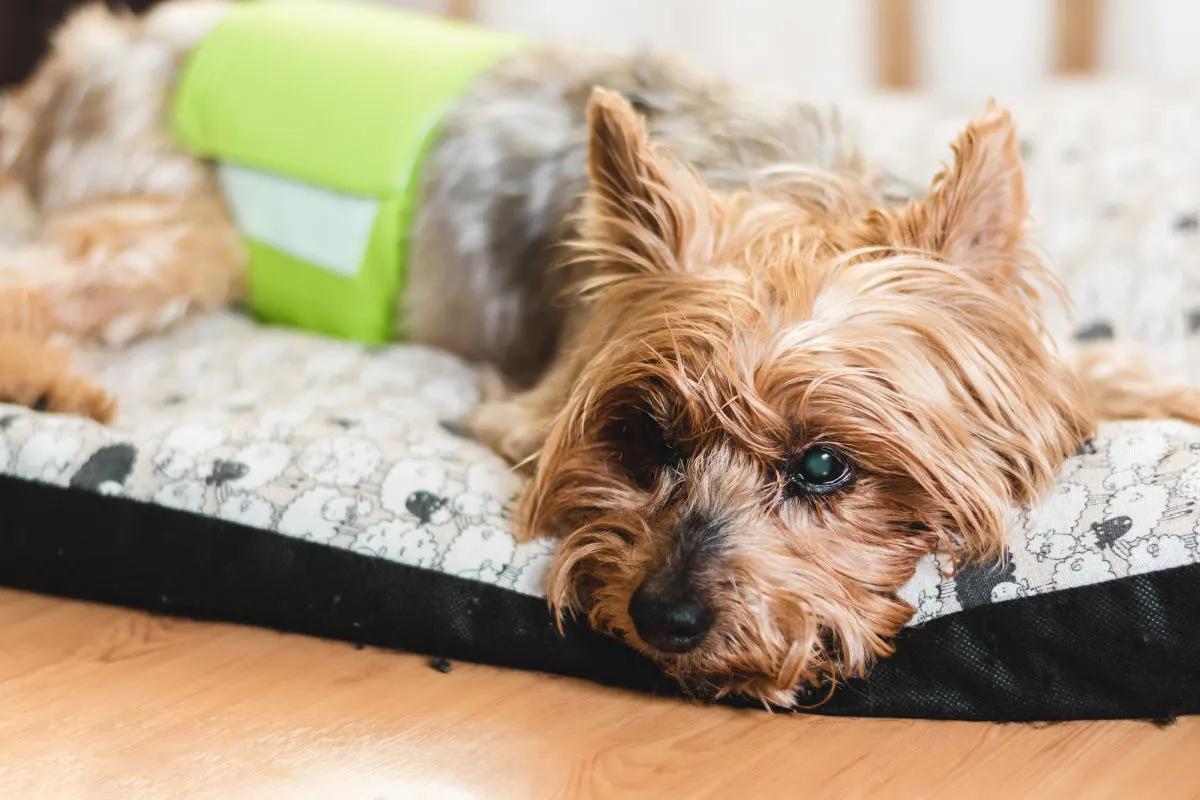
    An elderly Yorkshire Terrier with a green bandage on its leg rests on a cushioned mat. Text reads: Senior Yorkie Care: TIPS for the GOLDEN YEARS. Find expert Yorkie tips at YorkieUniverse.com.
  • The Joy of Having a Senior Yorkshire Terrier

    The Joy of Having a Senior Yorkshire Terrier

    Senior Yorkshire Terriers, those charming little dogs with big personalities, bring a unique kind of joy to their owners’ lives. As these pint-sized pups enter their golden years—typically around 7 to 10 years and beyond—they become even more endearing with their quirks, wisdom, and unwavering loyalty.

    A woman with gray hair in a bun, wearing a cozy sweater, sits on a chair hugging her Senior Yorkshire Terrier. The background’s bookshelf and gentle lighting create a warm, relaxed atmosphere that celebrates the joy of senior dogs.

    Below you will find 8 reasons why sharing your life with a senior Yorkie is such a wonderful experience.

    1. Their Personality Shines Brighter Than Ever

    As Yorkies age, their personalities become more pronounced. That spunky, confident attitude they’ve always had? It doesn’t fade—it evolves into a refined charm.

    Senior Yorkies often know exactly what they want, whether it’s a cozy lap, a specific treat, or a particular spot on the couch. Their expressive eyes and sassy demeanor make every day a little more entertaining.

    2. They’re Masters of Relaxation

    Unlike their energetic puppy days, senior Yorkies are content to slow down and savor the simple pleasures. They’ll happily curl up beside you for a Netflix marathon or bask in a sunny spot by the window.

    Their calm presence is like having a tiny, furry Zen master in your home, reminding you to take life a little less seriously.

    3. Unmatched Loyalty and Companionship

    Senior Yorkies have spent years bonding with you, and that connection deepens with age. They’re your shadow, your confidant, and your biggest fan.

    Whether you’re having a rough day or celebrating a small victory, your senior Yorkie is there with a wagging tail or a gentle nudge, offering unconditional love that’s hard to match.

    A small, fluffy senior Yorkshire Terrier wearing a blue sweater lies on a cream blanket in front of a fireplace, with stacks of books nearby, creating a cozy atmosphere.

    4. They Teach You Patience and Care

    Caring for a senior Yorkie comes with its challenges, like managing age-related health issues or adapting to their slower pace. But these moments teach you patience and compassion. From adjusting their diet to accommodate sensitive stomachs to scheduling regular vet checkups, you’ll find joy in giving back to a companion who’s given you so much.

    5. Their Quirks Are Endlessly Adorable

    Senior Yorkies develop little habits that make them even more lovable. Maybe it’s a particular grunt when they settle into their bed, a stubborn refusal to walk in the rain, or a newfound obsession with a specific toy.

    These quirks are like tiny love letters, reminding you of their unique personality and the memories you’ve built together.

    6. They’re Low-Maintenance Exercise Buddies

    While young Yorkies might demand long play sessions, senior Yorkies are happy with gentle strolls or short bursts of play. A leisurely walk around the block or a quick game of fetch in the backyard is enough to keep them content.

    It’s the perfect excuse for you to get some fresh air, too, without committing to a marathon.

    7. They Make Every Moment Precious

    With a senior Yorkie, you become acutely aware of the fleeting nature of time. Every cuddle, every tail wag, every soft snore feels like a gift.

    This awareness encourages you to cherish the small moments—whether it’s brushing their silky coat or sneaking them a tiny treat—making your bond even more meaningful.

    Senior Yorkshire terrier lying on his bed and wearing a diaper for urinary incontinence

    8. They’re Full of Surprising Wisdom

    There’s something almost sage-like about a senior Yorkie. They’ve seen it all—your highs, your lows, and everything in between. Their calm, knowing glances seem to say, “I’ve got this figured out.”

    Whether they’re patiently waiting for dinner or quietly observing the world, senior Yorkies have a way of teaching you to appreciate life’s simple rhythms.

    Final Thoughts

    Having a senior Yorkshire Terrier is like having a tiny, furry best friend who’s grown wiser, cuddlier, and even more lovable with age. Their quirks, loyalty, and quiet moments of joy make every day special.

    If you’re lucky enough to share your life with a senior Yorkie, you know they’re not just pets—they’re family, bringing warmth and happiness to your home in ways only a seasoned companion can.

    Cathy signature with Yorkie drawing.
    Blond woman holding a Yorkie and Chorkie sitting outside

    Cathy Bendzunas

    Dog Blogger, Former Dog Groomer

    I have adored Yorkies for well over 50 years. As a young adult, I began to show and breed them. Now, I just write about them and have several in my little pack of small dogs.

    I have had dogs all my life and have trained as a dog groomer. I also have been a kennel worker, worked in a pet hotel through PetSmart, and still am a pet sitter.

    Check out my bio for more information about me.

  • The Secret to a Happy Senior Yorkie: Meeting Their Emotional Needs

    The Secret to a Happy Senior Yorkie: Meeting Their Emotional Needs

    As Yorkies grow older, their needs evolve beyond just physical care. Understanding their emotional journey is key to ensuring they enjoy fulfilling golden years. Even for seasoned Yorkie owners, these changes can be a surprise.

    Senior Yorkshire terrier lying on his bed and wearing a diaper for urinary incontinence

    In this guide, you’ll discover the lesser-known aspects of caring for senior Yorkies, learn how to meet their emotional needs and avoid common pitfalls. Don’t let your fur baby miss out on the love and attention they deserve!

    Are you ready to make sure your senior Yorkie is living their best life? Let’s dive in!

    1. The Aging Yorkie: Recognizing the Signs

    Senior Yorkies, much like aging humans, exhibit subtle signs of aging. From a softer pace to increased periods of rest, these gentle shifts often signify their transition into seniorhood.

    Observant owners might notice a graying muzzle, changes in energy levels, or a slower response time. Understanding these signs is the first step in addressing their emotional needs. Pay attention to behavioral changes—they often indicate deeper emotional requirements.

    2. The Importance of Routine for Elderly Yorkies

    Older Yorkies thrive on routine. Consistency gives them a sense of security and predictability. Imagine if your daily life suddenly became chaotic; your Yorkie feels the same without regularity.

    From feeding times to bedtime, maintaining a steady routine can help alleviate anxiety and emotional distress. This structure mirrors the security blanket we all crave in times of change.

    Yorkie with red bow on leash.

    3. Tailoring Exercise to Boost Emotional Health

    Exercise isn’t just physical; it’s a mental refresh for your Yorkie too. Tailoring exercise to fit their age and abilities ensures they stay engaged without overexertion.

    Short walks, gentle playtime, and mental stimulation like puzzles can keep them active and emotionally satisfied. When crafted carefully, these activities become joyous moments rather than pressure-filled tasks.

    4. The Role of Diet in Emotional Well-being

    What your senior Yorkie eats affects how they feel. Nutritional needs change as they age; thus, diet adjustments can improve their mood and energy.

    Consult with your vet to determine the best food options that promote a healthier emotional state. Think fewer treats, and more interactive meals that challenge their brains. It’s not just about food—it’s about nourishment for the soul too.

    Yorkie under blue blanket.

    5. Creating a Safe Space: Their Sanctuary

    Every senior Yorkie deserves a cozy corner that they can call their own—a safe retreat when the world feels overwhelming.

    Consider soft blankets, favorite toys, and familiar scents that speak comfort. Creating this sanctuary is crucial to fulfilling their emotional requirements, providing a sense of protection and belonging. Your Yorkie’s safe space is their emotional haven.

    6. Boosting Social Engagement for Senior Yorkies

    While senior Yorkies might prefer solitude, social stimulation remains vital. Encouraging interactions with familiar people or gentle dog companions enriches their emotional life.

    Balance quiet time with engaging activities, like visits from a trusted friend or a leisurely playdate. These moments fight loneliness, reinforcing the bond between you and your furry friend.

    Elderly woman enjoying breakfast with her yorkie. Drinking hot coffee or tea with fresh pastry croissant, jam, soft cheese and fruits. 

    7. The Healing Power of Touch

    Never underestimate the soothing power of a gentle pat or cuddle. Physical touch strengthens your Yorkie’s bond with you, easing emotional stress.

    Massage your Yorkie’s aching joints, stroke their back, and relish in the way they lean into your palm. These acts of love significantly boost their sense of security and contentment.

    8. Addressing Cognitive Decline

    Cognitive changes can sneak up on aging Yorkies. Be observant. To stave off decline, keep their mind busy with age-appropriate challenges.

    Introduce new, gentle puzzles or scent games that stimulate curiosity without overwhelming them. These activities maintain mental sharpness and provide purposeful engagement.

    Yorkshire terriers are playing in the room, one is barking.

    9. Listening to Their Communication

    Your Yorkie speaks through subtle cues. Listening carefully opens the door to deeper emotional understanding.

    Notice their body language and changes in vocalization—signals of comfort or distress. Tuning into these cues ensures you’re always in sync with their needs, providing empathetic care tailored to their emotional state.

    10. The Therapeutic Effects of Vocal Interaction

    Human voices convey warmth. Regularly talking gently to your Yorkie can lift their spirits. They understand more than mere words; they sense your intention.

    Share your day, sing softly, or just talk. These interactions convey reassurance and companionship, nurturing their emotional well-being.

    11. Managing Separation Anxiety

    Separation can be challenging. Senior Yorkies experience heightened anxiety during absences. Alleviate this by gradually acclimating them to alone time.

    Practice brief departures with rewarding returns, and leave comfort items like your scent. Over time, your Yorkie will adapt, minimizing distress.

    Male veterinarian hugging a Yorkie.

    12. Regular Veterinary Check-ups for Emotional Stability

    Frequent health assessments are crucial for keeping emotional concerns in check. Regular check-ups offer peace of mind and catch unseen issues early.

    Your vet can adjust treatments and provide advice tailored to your Yorkie’s evolving emotional landscape, ensuring longevity and happiness.

    13. The Gentle Art of Letting Them Set Their Own Pace

    Patience, dear owner, is your best ally. Allow your senior Yorkie to dictate their own comfort zones. Pushing them when they want to rest or encouraging play when they’re exhausted only adds stress.

    Instead, follow their lead, respecting their rhythm. Acknowledge quiet moments, and celebrate their choice to engage atop everything else.

    14. The Emotional Benefits of Aging Together

    Aging doesn’t mean growing apart. Navigating these years strengthens the unspoken bond shared by you and your Yorkie.

    Your shared experiences deepen this connection, making every soft wag and quiet cuddle more profound. Growing older together unravels new layers of mutual affection and understanding. Cherish it!

    15. Creating New Memories in the Golden Years

    Life’s not just about preserving old memories. In your Yorkie’s twilight years, create moments that defy age and uncertainty.

    Visit a new park, try a different kind of snack, or simply sit under the stars. These shared experiences enrich life’s tapestry, reminding both of you how to find joy even in simplicity.

    16. Discussing Yorkies’ Emotions: Experts Weigh In

    Top dog behaviorists agree: that understanding your Yorkie’s emotions can greatly enhance their lifelong happiness. Experts emphasize the balance of mental stimulation, social engagement, and consistent care.

    Drawing from years of study, they underscore the importance of attentive listening and adaptation to changing needs. Your Yorkie relies on you, their emotional barometer, to navigate these nuanced landscapes.

    Senior Yorkie laying down.

    17. Conclusion: Fulfilling the Emotional Needs of Senior Yorkies

    Your senior Yorkie’s emotional journey requires understanding, patience, and love. By observing their cues, accommodating their rhythms, and addressing their evolving needs, you become both caretaker and cherished friend.

    For every ounce of effort invested, you reap a deeper connection—a rich tapestry of shared memories in their golden years. Let’s treasure these moments and foster a world where senior Yorkies flourish emotionally.

    Have you started creating your Yorkie’s golden memories yet? Share them with us!

    Cathy signature with Yorkie drawing.
    Blond woman holding a Yorkie and Chorkie sitting outside.

    Cathy Bendzunas

    Dog Blogger, Pet Sitter, Former Pet Hotel Employee, Pet Groomer

    I have adored Yorkies for well over 50 years. As a young adult, I began to show and breed them. Now, I just write about them and have several in my little pack of small dogs.
    I have had dogs all my life and have trained as a dog groomer. I have also been a kennel worker, worked in a pet hotel through PetSmart, and still am a pet sitter.
    Check out am still my bio for more information about me.
  • Understanding the Emotional Needs of Senior Yorkies

    Understanding the Emotional Needs of Senior Yorkies

    Yorkshire Terriers—those little bundles of fur and energy—are known for their spirited nature. But as they age, their emotional needs become just as important as their physical ones. In this post, we’ll explore what makes senior Yorkies tick, and how you can enrich their golden years.

    Chances are, you’re already doing a lot to keep your senior Yorkie happy, but there might be more under their furry surface that you aren’t aware of yet. We’ll dive into key insights and expert tips that will transform your approach to their emotional well-being.

    Ready to deepen your bond with your aging Yorkie? Let’s explore and ensure they’re as happy and emotionally fulfilled as the day you first brought them home. Feel like an expert Yorkie whisperer by the end!

    Side view of old yorkshire terrier with tongue hanging out.

    1. Recognizing the Signs of Emotional Need in Senior Yorkies

    Just like us, Yorkies express their feelings, but their ways can be subtle. Look out for behavioral changes, like withdrawing or becoming clingier than usual. These could signal a need for more emotional support.

    With age, they might require reassurance even more, which emphasizes the importance of recognizing such signs before they become bigger issues.

    Don’t brush off these shifts thinking they are just ‘senior moments’; they might be cries for an emotional cuddle.

    2. Establishing a Stable Routine

    Consistency is key in the life of any dog, especially as they grow older. A predictable daily routine can help manage their anxiety by providing stability and reassurance.

    Ensure meals, walks, and quality time happen at roughly the same time every day. A calm senior Yorkie is a happy Yorkie!

    Not only will this routine keep their day smoothly flowing, but it also strengthens your bond, giving them a sense of security.

    Woman on couch drinking tea sitting with Yorkie.

    3. The Joy of Physical Touch

    Senior Yorkies thrive on physical affection. Gentle petting, belly rubs, and even a cozy cuddle share more than warmth—they convey affection.

    Your touch is a powerful tool that reassures them of their place in your heart and home.

    Never underestimate the bonding magic of a snuggly nap session. It’s their favorite form of emotional therapy.

    4. Adapting Training Techniques for Senior Yorkies

    Training isn’t just for puppies; senior Yorkies benefit from it too! Yet, it’s crucial to adjust your methods with their age and abilities in mind.

    Use positive reinforcement and be patient. Gentle reminders and rewards can keep their mind sharp, proving that you can indeed teach an ‘old dog’ new tricks.

    Training sessions can also be great bonding periods, boosting their confidence and your connection.

    5. Nurturing Their Mental Stimulation

    Just because they’re seniors doesn’t mean their curiosity has waned. Their brains crave stimulation to stay healthy and sharp.

    Introduce puzzle toys or interactive games to keep them engaged. These activities can entice their senses and keep those little gears turning.

    More than entertainment, these stimulate their cognitive abilities, keeping them mentally young.

    6. Socializing Safely with Other Dogs

    Your senior Yorkie might not be the life of the dog park party anymore, but they can still benefit from social interactions.

    Consider controlled environments for safe, friendly encounters. Slow and steady introductions with calmer dogs can provide much-needed companionship.

    These interactions not only break the monotony but also enhance their emotional health, thanks to those nostalgic sniffs and gentle pawshakes.

    7. Emotional Resilience Through Nutrition

    You are what you eat, and this applies to your furry friend too! Nourishing their body with the right diet can support their emotional well-being.

    Look for nutrition that enhances their immunity, brain function, and vitality, promoting a happier disposition.

    An enriched diet contributes not only to a healthier body but also a happier, more engaged mind.

    Male veterinarian hugging a Yorkie.

    8. The Role of Regular Veterinary Check-ups

    As breed-specific health issues can influence emotional states, regular vet visits are key to managing them.

    Addressing any medical concerns can drastically improve their emotional comfort too. Peace of mind for you and waggier tails for them—a win-win!

    Don’t forget, your vet is your best line of communication for understanding those unspoken needs.

    9. Embracing Changes in Physical Ability

    Simplifying their environment to accommodate physical changes will also soothe emotional strains.

    Soft beds on lower levels, easy-access toys, and ramps for steps can make life easier for them.

    The key is to maintain their independence while offering support where needed, boosting their confidence and well-being.

    Barking yorkie on grass.

    10. Understanding Their Language

    Barks, whines, and even subtle body language are the ways Yorkies communicate with you.

    Take the time to understand these signs. Each sound tells you what they need emotionally, whether it’s reassurance or a nap buddy.

    Seeing the world through their eyes deepens your partnership, allowing for a better, more compassionate response.

    11. Providing a Safe and Calm Environment

    Creating a serene and safe environment makes them feel secure, reducing stress.

    Minimize loud noises, overwhelming changes, or unusual disruptions. A calm home can be a haven for them to thrive.

    Your home is their sanctuary, so optimize it to match their tranquil outlook on life.

    Yorkshire terrier  playing with a toy on the carpet.

    12. Encouraging Play and Exercise

    Despite their age, they still love their playtime! Simple games and regular walks stimulate both body and mind.

    Engage them with gentle exercises tailored to their needs. A daily stroll can be as enriching as a game of ‘fetch’ was in their prime.

    Remember, active bodies and minds contribute significantly to their happiness and emotional stability.

    13. Dealing with Separation Anxiety

    As they age, Yorkies can become more attached, leading to separation anxiety if not handled delicately.

    Try leaving comforting items like your scent-laden clothes or reassuring phrases playing on repeat.

    Gently condition them to your absence, ensuring a calmer reaction as they learn you’re always coming back.

    14. The Importance of Senior Dog Companionship

    Sometimes, nothing beats the company of those who understand us best. If possible, introduce them to fellow senior dogs.

    Friendships among peers can alleviate loneliness and keep their spirits high through play and mere presence.

    Consider organized activities or senior dog meet-ups where comfort and camaraderie are the main agenda.

    Senior Yorkie laying on dog bed wearing diaper.

    15. Preparing for the Comfort Care Phase

    Caring for a senior Yorkie means preparing for end-of-life comfort care, ensuring they live out their days with dignity.

    Addressing specific needs—like pain management or increased rest—reflects their emotional satisfaction too.

    As tender as this phase can be, it’s a steadfast act of love and ensures their twilight years shine.

    16. Celebrating Every Milestone

    Remember those tiny steps and joyful jumps, and celebrate all their achievements, however small.

    From successfully climbing the stairs to enjoying a new toy, these events warrant delight and praise.

    Every milestone, like cherished memories, strengthens your bond and adds to their emotional tail-wags.

    17. Creating Lasting Bonds Through Memories

    Capture those precious moments, as they won’t be around forever but the memories will.

    Tangible memories—in photos or mementos—keep their spirit alive even after they’ve gone.

    Elderly woman enjoying breakfast with her yorkie. Drinking hot coffee or tea with fresh pastry croissant, jam, soft cheese and fruits. 

    Every wag and sniff becomes part of your cherished journey together, forging unwavering emotional bonds.

    Cathy signature with Yorkie drawing.
    Blond woman holding a Yorkie and Chorkie sitting outside.

    Cathy Bendzunas

    Dog Blogger, Pet Hotel Employee, Pet Sitter, Former Pet Groomer

    I have adored Yorkies for well over 50 years. As a young adult, I began to show and breed them. Now, I just write about them and have several in my little pack of small dogs.
    I have had dogs all my life and have trained as a dog groomer. I also have been a kennel worker, worked in a pet hotel through PetSmart, and still am a pet sitter.
    Check out my bio for more information about me.
  • Managing Incontinence in Aging Yorkies

    Managing Incontinence in Aging Yorkies

    Incontinence in Yorkshire Terriers, especially in aging Yorkies, is not just a medical issue but a deeply emotional one for pet parents.

    Elderly woman enjoying breakfast with her yorkie. Drinking hot coffee or tea with fresh pastry croissant, jam, soft cheese and fruits. 

    As a long-time Yorkie owner myself, I’ve navigated the choppy waters of elderly pet care, finding that understanding the nuances of this condition is crucial. This deep dive into canine incontinence isn’t just about medical facts; it’s about sharing a journey of care, empathy, and sometimes, tough decisions.

    Learn about managing incontinence in aging Yorkies

    • Causes: Hormonal imbalance, urinary tract infections, etc.
    • Symptoms: Frequent accidents, dribbling urine, excessive licking.
    • Treatment: Medications, dietary changes, surgery if needed.

    What Is Incontinence in Dogs?

    Incontinence in dogs refers to the involuntary leakage of urine. It’s a condition that can affect any dog but is particularly prevalent in older dogs and female spayed dogs. This isn’t simply a case of poor house training but rather a medical issue that your fur baby cannot control.

    From personal experience, the first time I noticed my previous Yorkie, Wendy, leaving small puddles in her bed, my heart sank. It was during her later years, and until then, she had been the epitome of a well-trained pet. Understanding that this was a sign of her aging, and not a behavioral regression, was an important step in managing the situation.

    Yorkshire Terrier asleep.

    What Causes Incontinence in Dogs?

    The causes of canine incontinence can range from urinary tract infections and hormonal imbalances to more severe underlying health issues like spinal injuries or congenital disabilities. In older dogs, particularly, a common cause is hormone-responsive incontinence, which occurs due to a decrease in estrogen levels in females and testosterone in males.

    In Yorkies, their small size doesn’t spare them from these challenges. In fact, their compact anatomy can sometimes contribute to some health issues, including those affecting bladder control. My vet explained that in smaller breeds, the physical strain or previous health conditions like bladder stones could exacerbate or lead to incontinence.

    For more detailed insights into the causes, this guide is an excellent resource.

    Elderly yorkie wearing a diaper laying on bed.

    What Are the Symptoms of Incontinence in Dogs?

    Recognizing the symptoms early can make a significant difference in managing and treating incontinence.

    Key signs include:

    • Wet spots where the dog was lying or sleeping.
    • Dribbling urine while walking.
    • Licking the genital area excessively (indicating discomfort or irritation).
    • A noticeable odor around the dog or in its sleeping area.

    When Wendy began to show such signs, it was initially heartbreaking to witness. She was clearly distressed by her lack of control, which was evident from her licking and the embarrassed way she would look at me after an accident.

    Yorkshire Terrier showing discomfort and licking itself.

    How Is Incontinence in Dogs Diagnosed?

    Diagnosing incontinence starts with a thorough veterinary examination, which may include urine tests to rule out infections, blood tests, ultrasounds, or even neurological exams, depending on the suspected cause.

    In Wendy’s case, the vet conducted a series of blood tests and an ultrasound to ensure there wasn’t a more sinister underlying issue. It was a relief to understand that her condition was manageable with the right approach and medications.

    How Is Incontinence in Dogs Treated?

    Treatment varies based on the underlying cause of incontinence. Options might include:

    • Medications to strengthen the urethral sphincter.
    • Hormone therapy, particularly for spayed females or neutered males.
    • Surgery, in cases where anatomical issues are causing the leakage.
    • Collagen injections to help tighten the urethra.

    Wendy was put on a hormone replacement therapy that significantly reduced her symptoms. It wasn’t a complete fix, but it improved her quality of life, which was my primary concern.

    Insider Tip: Always consult with a vet who specializes in geriatric pet care when dealing with incontinence in older dogs to explore all available treatment options.

    Yorkie wearing diaper.

    How Can I Manage My Dog’s Incontinence at Home?

    Managing incontinence at home requires patience and a few adjustments:

    • Regular Bathroom Breaks: Increase the frequency of bathroom breaks. This helped Wendy significantly, as it reduced the volume of accidents.
    • Waterproof Bedding: Invest in waterproof dog beds or covers to keep your pet comfortable and dry.
    • Incontinence Pads: These can be placed in sleeping areas or on furniture where your dog frequently lies down.
    • Doggy Diapers: You can buy diapers for your female dogs and belly bands for your male dogs. The only caveat is not to leave them on them for too long of a time before giving them a break and letting them dry out. This is to keep them from getting a urinary tract infection or yeast infection.
    • Good Hygiene: Regular baths and gentle cleaning of the urinary area can prevent discomfort and infections.
    Yorkshire Terrier on a specially designed waterproof pet bed.

    Personal Experience: Dealing with a Senior Dog’s Incontinence

    When my teri-poo, Joey, turned 14, I started noticing some changes in his behavior. He began having accidents in the house, which was very unlike him as he had always been well-trained. I initially thought it was behavioral, but after a visit to the vet, we discovered that Joey was suffering from incontinence due to old age.

    Understanding the Emotional Impact

    Seeing Joey struggle with incontinence was not only challenging for him but also took an emotional toll on our family. Cleaning up after him multiple times a day was exhausting, but we knew it was essential to provide him with the care and support he needed in his senior years.

    Finding the Right Treatment

    After consulting with our vet, we decided on a treatment plan that included medication and some lifestyle changes. While it took some time to find the right balance, we eventually were able to get his condition manageable.

    Quality of Life Improvements

    With the right treatment and support, Joey’s quality of life improved significantly. We were able to enjoy our time together without the constant worry of accidents, and Joey seemed much happier and more comfortable.

    Helping Others in Similar Situations

    Through our experience with Joey and Wendy, we learned a lot about managing a senior dog’s incontinence. I hope sharing our stories can help others going through a similar situation with their beloved furry kids.

    Veterinarian and yorkshire terrier in clinic.

    When Should I Call the Vet About My Dog’s Incontinence?

    You should contact your vet if:

    • You notice any of the symptoms of incontinence.
    • There’s a sudden increase in the frequency or volume of accidents.
    • Your dog appears to be in pain or distress.

    Remember, incontinence can be a symptom of a more serious health issue, so early veterinary intervention is crucial.

    Recently my 9-year-old Chihuahua-Yorkie mix Lucas started peeing all over the house. He tried to make it outside in time, but often couldn’t. Turns out he has diabetes. He has been on insulin now for about 3 months and no longer urinates in the house.

    In conclusion, managing incontinence in aging Yorkies, or any dog for that matter, is as much about medical treatment as it is about providing a supportive environment. It’s about adapting to their needs as they age and ensuring their comfort.

    Wendy and Joey lived their golden years with dignity, thanks to a blend of medical support and home care adjustments. It wasn’t always easy, but understanding their condition and knowing how to manage it made all the difference. For those walking a similar path, remember, you’re not alone in this journey.

    Yorkie wearing a blue and white striped diaper.

    Common Questions

    Q: Who is most susceptible to incontinence among aging Yorkies?

    A: Aging Yorkies are most susceptible to incontinence due to weakened bladder control.

    Q: What are common signs of incontinence in aging Yorkies?

    A: Common signs include urinating indoors, dribbling urine, and frequent licking of the genital area.

    Q: How can I manage incontinence in my aging Yorkie?

    A: You can manage incontinence by providing more frequent potty breaks, using dog diapers, and consulting your vet for medication options.

    Q: What if my aging Yorkie refuses to wear diapers?

    A: If your Yorkie refuses to wear diapers, consider alternative solutions like puppy pads or washable belly bands.

    Q: How can I prevent accidents in the house with an incontinent Yorkie?

    A: Prevent accidents by establishing a consistent potty schedule, using waterproof bedding, and cleaning up accidents promptly with enzymatic cleaners.

    Q: What if my aging Yorkie’s incontinence worsens despite treatment?

    A: If your Yorkie’s incontinence worsens despite treatment, consult your vet for further evaluation and possible adjustments to the management plan.

    Cathy signature with Yorkie drawing
    Blond woman holding a Yorkie and Chorkie sitting outside

    Cathy Bendzunas

    Dog Blogger, Former Pet Groomer

    I have adored Yorkies for well over 50 years. As a young adult, I began to show and breed them. Now, I just write about them and have several in my little pack of small dogs.
    I have had dogs all my life and have trained as a dog groomer. I also have been a kennel worker, worked in a pet hotel through PetSmart, and still am a pet sitter.
    Check out my bio for more information about me.
  • The Benefits of Adopting an Older Yorkie

    The Benefits of Adopting an Older Yorkie

    When you’re thinking about getting a dog, it’s super easy to fall for the cuteness overload of a puppy. But let me tell you, there’s something pretty special about bringing an older dog into your home.

    I’ve had the pleasure of raising both puppies and senior dogs, and I can honestly say there’s a unique joy and a bunch of perks that come with older pups, especially Yorkies.

    In this article, we’re going to dive into why adopting a senior Yorkie might just be one of the best decisions you’ll ever make, and I’ll share some of my own experiences along with what the experts say. So, let’s get into it!

    Senior Yorkie laying down.

    Learn about the benefits of adopting an older Yorkie

    • Instant companionship and loyalty.
    • Easier transition into your home.
    • Avoid supporting unethical breeding practices.

    1. What You See Is What You Get

    Adopting an older Yorkie means what you see is what you get—no surprises about how big they’ll get, what their personality is like, or what kind of health issues they might have. You pretty much know what you’re signing up for from the start.

    These older Yorkies already have their personalities all figured out, which makes it a breeze to see if they’ll fit in with your lifestyle and family. Experts even say that this kind of transparency helps you and your new fur baby click right away and build a strong bond that lasts.

    2. They Are Often Already Housebroken

    House training a new dog can be a real headache, but here’s some good news: older Yorkies usually have that down pat.

    Take Gracie, for example. She was a seven-year-old Yorkie I rescued from an abusive household. Guess what? Gracie was a pro at knowing when and where to do her business—she never missed a beat. Seriously, this alone can save you weeks, or even months, of effort and a whole lot of frustration.

    Insider Tip: Patience is key, even with housebroken pets, as they adjust to a new home’s potty routines.

    3. They Are Not a 24/7 Job

    Older Yorkies are pretty chill compared to puppies—they don’t need you to watch them every second. They’re totally happy with shorter walks and don’t need constant playtime. And there’s nothing quite like snuggling up for a nap with a senior pup. Sure, a puppy might curl up with you too, but they’re usually more interested in playing.

    This laid-back vibe makes senior Yorkies perfect for anyone who’s super busy or has mobility issues. Thinking back to my days with my senior Yorkie, Gracie, her go-with-the-flow attitude really helped me keep my work and pet care in balance—a lot easier than it was with the younger, high-energy dogs.

    Senior woman sitting at table holding a Yorkie and coffee cup.

    4. They Settle in Quickly

    Older Yorkies tend to settle into new homes faster and with way less fuss than younger dogs. They really value the comfort of a stable home and they show their thanks by just being their calm, comforting selves.

    From my own experiences with adopting older dogs, I’ve seen how quickly they pick up on the vibe of the house and adjust to fit right in. It makes the whole transition smoother for everyone.

    Insider Tip: Create a welcoming space with their bed and toys ready to make their transition smoother.

    5. You Can Teach an Old Dog New Tricks

    That old saying that you can’t teach an old dog new tricks? Totally not true, especially when it comes to Yorkies. These little guys are smart and they really want to make you happy. They love learning new things, even in their senior years.

    Take my older Yorkie, Gracie, for example. I taught her a bunch of new commands, and she caught on quicker than some of the younger pups! It was not only great for keeping her mind sharp, but it also brought us closer together.

    Laura’s Story: Finding a Friend in an Older Dog

    “While at the shelter, I met Sarah, a 10-year-old Labrador mix with a gentle disposition. As soon as our eyes met, I knew she was the one. Bringing Sarah home was one of the best decisions I ever made. She settled into my home quickly, and her calm demeanor made her a perfect companion. Despite her age, Sarah was eager to learn new tricks, and our bond grew stronger with each passing day. Adopting Sarah not only filled my life with unconditional love but also gave her a second chance at a happy home.

    This real-life experience taught me the valuable lessons of patience, love, and the unique joys of adopting a senior dog.”

    6. You Won’t Be Supporting Puppy Mills

    Deciding to adopt an older Yorkie from a rescue or shelter is a powerful way to say no to the harsh world of puppy mills. These places often care more about making money than the health and happiness of the dogs. By bringing an older dog into your home, you’re not just giving a deserving furry friend a second shot at a good life; you’re also stepping away from a system that treats animals poorly. It’s a win-win: you get a great companion and help stop the cycle of cruelty.

    Insider Tip: Always check the credentials of a rescue or shelter to ensure they are ethical and supportive of animal welfare.

    7. Unconditional Love

    One of the best parts about adopting an older Yorkie is the boatload of unconditional love they bring. It’s like they know they’ve scored a second chance, and they show their thanks with endless affection and loyalty. My senior Yorkie, Gracie, was all about showing love, whether through gentle nuzzles or just quietly hanging out by my side.

    Older Yorkshire terrier laying down wearing green diaper.

    To wrap it up, while puppies are irresistibly cute, the perks of bringing home an older Yorkie are seriously sweet and super rewarding. From the straightforward care to the deep emotional connections, older Yorkies are truly amazing companions. They’re the epitome of resilience and grace, and they truly enrich the lives of those who choose to bring them into their homes.

    If you’re thinking about getting a dog, why not consider an older Yorkie? You might just discover the perfect furry friend you never knew you needed.

    Older Yorkie sitting down.

    The Drawbacks

    Okay, though there are a lot of benefits of adopting a senior Yorkie, I wouldn’t feel right if I didn’t go over the drawbacks of adopting an older Yorkie too.

    1. Health Issues: Older Yorkies are more likely to have health problems, including dental issues, arthritis, heart disease, kidney problems, and diminished sight and hearing. These conditions can require frequent vet visits and potentially expensive treatments.
    2. Less Energy: Senior dogs generally have less energy and may not be as playful or active as younger dogs. This could be a downside if you’re looking for a pet to go on long walks or engage in active play.
    3. Shorter Time Together: By adopting an older dog, you may face the heartbreak of losing your pet sooner than you would with a younger dog, due to their naturally shorter remaining lifespan.
    4. Behavioral Issues: Some senior dogs may have ingrained habits or behavioral issues that are challenging to change. They might also struggle with adapting to a new home and routine.
    5. Insurance Costs: Getting pet insurance for an older dog can be more expensive, and some policies might not cover pre-existing conditions, which are more likely in older pets.
    6. Special Diets and Care: Older Yorkies may require special diets or regular medication to manage age-related issues, which can be an additional ongoing cost and responsibility.

    Despite these drawbacks, most people find that the love and gratitude of a senior dog make the challenges worthwhile.

    Older yorkie laying down.

    Questions

    Question: Who should consider adopting an older Yorkie?

    Answer: Anyone looking for a loyal companion with a calmer demeanor.

    Question: What are the benefits of adopting an older Yorkie?

    Answer: Older Yorkies are often already trained and require less exercise.

    Question: How can adopting an older Yorkie be beneficial?

    Answer: It can provide a loving home to a dog in need of care and attention.

    Question: What if I want a younger Yorkie for energy?

    Answer: While older Yorkies may be calmer, they still enjoy playtime and walks.

    Cathy signature with Yorkie drawing

  • What to Do if Your Senior Yorkie Won’t Eat

    What to Do if Your Senior Yorkie Won’t Eat

    Alrighty, Yorkie parents out there, you know as well as I do that these little furballs of joy are something special. They’re full of energy, love to please, and their devotion to us is off the charts. But what happens when your golden-oldie Yorkie won’t eat?

    We’ve all dealt with a fussy eater at some point, but what happens when your elderly Yorkie suddenly stops eating altogether?

    There are plenty of causes as to why your Yorkie might not want to eat. Luckily, there are some ways to make mealtime enjoyable again.

    So, fasten your seatbelts folks! We’re about to delve into why your old Yorkie won’t eat, and more importantly, how to turn things around. Let’s get started!

    side view of old yorkshire terrier with tongue hanging out

    Why Won’t My Elderly Yorkie Eat?

    It’s normal for dogs, just like us humans, to lose some of their appetite as they age. But when your Yorkie decides to go on a full-blown food strike, it’s a different ball game.

    Here are some reasons why your Yorkie might be playing hard to get with their grub:

    Age Factor

    As they trot into their golden years, Yorkies (like all dogs) need fewer calories. Why? They’re just not as active anymore. However, this doesn’t mean they should quit eating altogether.

    Health Issues

    Yorkies aren’t immune to health issues, especially as they age, and some of these can seriously mess with their appetite.

    Let’s take a look at some of these problems.

    Dental Problems

    Dental diseases are common in Yorkies, mainly because they have small mouths and their teeth can get easily overcrowded. The plaque build-up on their teeth can lead to gingivitis, bad breath, and teeth loss.

    These conditions can eventually cause chewing and eating problems that hinder your Yorkie from eating properly.

    Read this post for help in feeding your dog with dental issues.

    GIT Problems

    Tummy Troubles like upset stomach, pancreatitis, or hemorrhagic gastroenteritis can also curb your Yorkie’s appetite.

    If your dog suffers from any of these conditions, he might prefer to stay alone and relax while staying away from food.

    Other health problems that might cause Yorkies to lose their appetite include the following:
    ● Cancer
    ● Dementia
    ● Hypoglycemia
    ● Toxicity
    ● Fever
    ● Dizziness

    Remember, aging Yorkies might be on more medications for chronic conditions, some of which can curb their appetite as a side effect. So, keep a tab on those antibiotics, pain relievers, and anti-inflammatory drugs.

    sitting yorkie lifting paw

    Stress and Anxiety

    Just like us, Yorkies can get stressed or anxious, particularly as they age. This might result in them giving food a pass for a day or two. Changes in your dog’s environment or daily routine are enough to make him uncomfortable.

    For example, if you moved to a new house, your Yorkie might take time to adjust to the new surroundings. During this time, you may notice that he refuses to eat.

    The same happens when your dog meets unfamiliar people or animals daily, like if you have guests that are staying for a long period. Your dog may even get anxious when one of the family members is missing.

    Food-Related Issues

    If you think your Yorkie doesn’t have health problems and he’s still not eating well, the food might be the issue. Dogs can be picky eaters, and they easily get bored if you keep feeding them the same food for too long.

    At the same time, some dogs might not eat if you suddenly change their diet to something new. What’s more, dogs’ taste buds get less sensitive with age, which makes the food less desirable to them.

    Dogs sometimes get used to human food and refuse to eat their regular meals. It’s ok to give them a treat of human food occasionally, but too much can spoil them and keep them from eating their actual food.

    What to Do If Your Elderly Yorkie Won’t Eat

    Firstly, put on your detective hat and figure out what’s bothering your Yorkie. Whether it’s a health issue or a behavioral one, there’s always a way to reignite their love for food.

    Time for the Vet!

    If your Yorkie has been fasting for over 48 hours, it’s time to call in the professionals. A sudden loss of appetite could signal an underlying health issue.

    Your vet will conduct a full examination, which could include blood tests, urine tests, x-rays, and dental examinations. They could also recommend food that’ll be easier on your Yorkie’s tummy and more appealing to them.

    Addressing Behavior Blues

    elderly Yorkie laying on dog bed wearing diaper

    As we mentioned, health problems aren’t always the reason your dog isn’t eating. It’s common for older Yorkies to have behavioral problems that decrease their appetite. This includes dementia, confusion, and depression.

    If your Yorkie is dealing with dementia or confusion, he might still recognize familiar faces. However, he might have trouble distinguishing between different kinds of food. In that case, you need to follow a strict feeding schedule. Make sure your dog’s food, water, and bed are always in the same place to avoid confusing him.

    You might also need to adjust his diet to include more antioxidants, vitamins, and minerals that improve his cognitive function.

    When dealing with depression, you can cheer up your Yorkie with new toys, interactive treats, and a refreshed menu. Sprucing up their meals with different, healthy foods might reignite their love for food.

    yorkshire terrier dog eating from a bowl

    Additional Tips to Woo Your Yorkie Back to Food

    1. Hydration is Key: Make sure your Yorkie is staying hydrated. A decrease in food often comes with less water intake, so always have fresh water available.
    2. Warm it Up: Try warming up their food a bit to enhance the aroma and make it more appealing.
    3. Quality over Quantity: Consider giving your Yorkie high-quality, senior-specific dog food. This meets their changing nutritional needs and could be more appealing.
    4. Peaceful Mealtimes: Try to create a quiet and calm feeding environment to reduce stress or distractions during mealtimes.
    5. Mild Exercise: Gentle exercise could stimulate their appetite. Just remember to keep it appropriate for their age and health condition.
    6. More Quality Time: Sometimes, extra petting or more attention can help them feel more secure and could indirectly stimulate their appetite.
    older Yorkie laying down

    Putting It All Together

    There are many reasons behind an elderly Yorkie’s loss of appetite – normal aging, health conditions, or even feeling a bit blue. So, what’s the plan of action? Firstly, understand the cause, then find a suitable remedy. Remember, more than 48 hours without eating warrants an immediate trip to the vet.

    If it’s simply a decrease in appetite, consider changing up their diet, adding enticing ingredients, or even switching to high-quality, senior-specific dog food. This can not only stimulate their appetite but also improve their mood and cognitive function.

    So, fellow Yorkie owners, take heart! With a little time, patience, and some culinary creativity, your seasoned Yorkie will be back to savoring their meals before you know it.

    Cathy signature with Yorkie drawing
    Blond woman holding a Yorkie and Chorkie sitting outside

    Cathy Bendzunas

    Dog Blogger, Former Dog Groomer

    I have adored Yorkies for well over 50 years. As a young adult, I began to show and breed them. Now, I just write about them and have several in my little pack of small dogs.

    I have had dogs all my life and have trained as a dog groomer. I also have been a kennel worker, worked in a pet hotel through PetSmart, and still am a pet sitter.

    Check out my bio for more information about me.