If you’ve ever lived with a Yorkie, you know they don’t just become pets—they become family. And when those bright little faces start to gray, and their steps slow down, it can feel bittersweet.
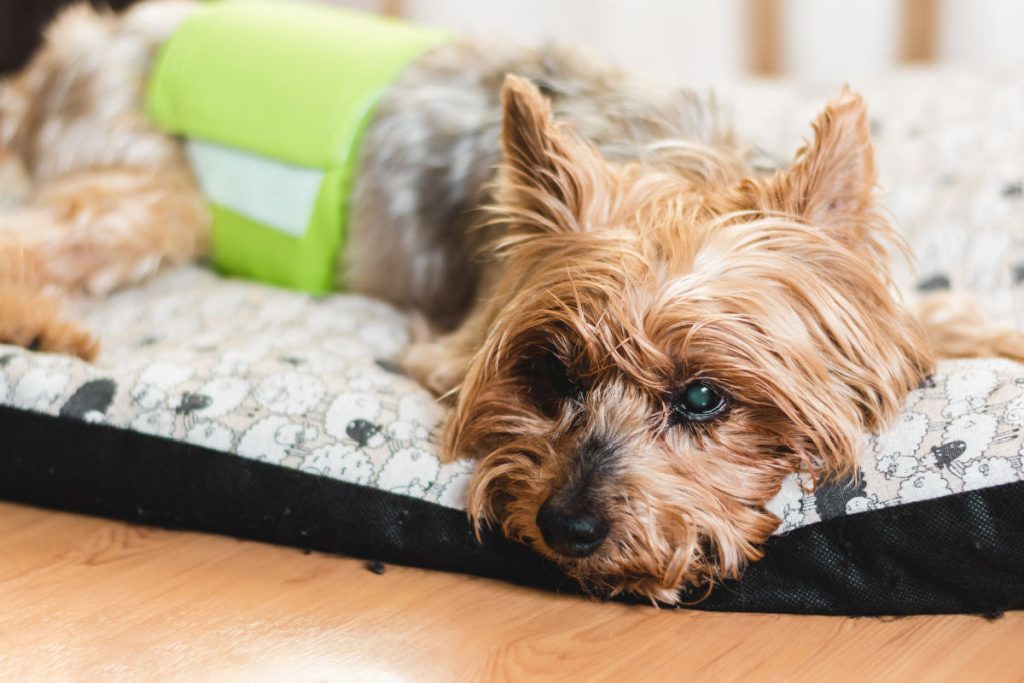

The good news is that Yorkies often live long lives, and with a few adjustments, their senior years can be some of the happiest and most comfortable of all.
Here are some simple, loving ways to care for your senior Yorkie and help them enjoy their golden years.
When Is a Yorkie Considered a Senior?
Most Yorkshire Terriers are considered seniors around 8–10 years old, though many stay playful well beyond that.
You might start noticing:
- Sleeping more
- Slower movement
- Slight weight changes
- Cloudy eyes or reduced hearing
These changes are normal, but they’re also a reminder to adjust care as your Yorkie ages.
1. Schedule Regular Vet Visits
Senior dogs benefit from checkups at least twice a year.
Older Yorkies are more prone to:
- Dental disease
- Arthritis
- Heart issues
- Kidney problems
Catching things early often makes treatment much easier and less stressful.
Think of these visits as preventative care—not just problem-solving.
2. Keep Them at a Healthy Weight
Extra weight puts strain on aging joints and the heart. But on the flip side, some senior Yorkies lose weight and need extra calories.
Helpful tips:
- Measure meals rather than guessing
- Ask your vet about senior formulas
- Watch for sudden changes in appetite
Small dogs can change quickly, so even minor weight shifts matter.
3. Make Your Home Senior-Friendly
Little changes can make a big difference in comfort.
Consider:
- Dog ramps or steps for beds and couches
- Non-slip rugs on smooth floors
- Softer, orthopedic beds
- Keeping food and water easy to reach
Senior Yorkies still want to be near their people—they just need a little help getting there.
4. Adjust Exercise (But Don’t Skip It)
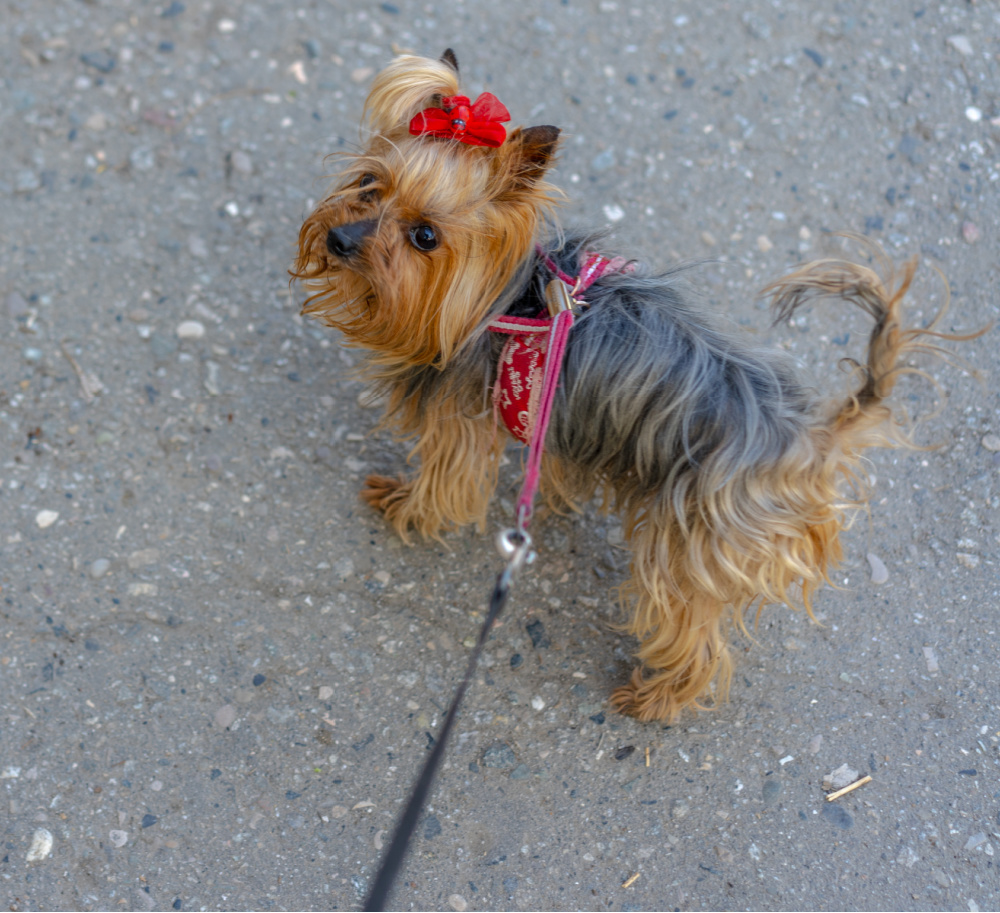
Your Yorkie may not want long walks anymore, but movement is still important.
Good options:
- Short, gentle walks
- Indoor play
- Slow-paced sniffing walks
Sniffing is actually a great mental exercise, and senior dogs often enjoy it more than fast-paced activity.
Let your Yorkie set the pace.
5. Pay Extra Attention to Dental Care
Dental disease is one of the most common problems in senior Yorkies.
Helpful habits:
- Brush teeth regularly if possible
- Use dental chews approved for small dogs
- Watch for bad breath, drooling, or difficulty chewing
Healthy teeth help with overall health, not just comfort.


6. Grooming Still Matters
Even if your Yorkie is less active, grooming remains important.
Senior grooming tips:
- Brush gently to avoid pulling on sensitive skin
- Keep nails trimmed for stability
- Check for lumps, bumps, or skin changes
Grooming time is also a great chance to check for anything unusual.
7. Watch for Signs of Pain or Arthritis
Dogs are very good at hiding pain, so subtle changes matter.
Watch for:
- Difficulty jumping or climbing
- Stiffness after resting
- Reluctance to walk
- Changes in behavior or mood
If you notice these signs, talk to your vet. There are many ways to manage pain and improve quality of life.
8. Support Their Changing Senses
Senior Yorkies may lose some hearing or vision, and that can feel confusing to them.
Ways to help:
- Keep furniture in familiar places
- Approach gently so you don’t startle them
- Use a calm, reassuring voice
- Keep routines consistent
Routine becomes very comforting as dogs age.
9. Keep Their Mind Active
Mental stimulation helps keep senior dogs engaged and happy.
Try:
- Food puzzles
- Gentle training refreshers
- Snuffle mats
- New (safe) smells to explore
Even older Yorkies love learning—it just happens at a slower pace.
10. Give Them Extra Patience and Love
Senior dogs often become more affectionate and emotionally connected to their people.
They may:
- Want to be closer to you
- Sleep near you more often
- Follow you from room to room
This stage of life is quieter, slower, and often very sweet. Try to savor it.
Signs Your Senior Yorkie May Need Extra Help
Call your vet if you notice:
- Sudden weight loss or gain
- Loss of appetite
- Frequent accidents
- Coughing or heavy breathing
- Confusion or restlessness at night
Trust your instincts—you know your dog better than anyone.


Final Thoughts
Caring for a senior Yorkie isn’t about preventing aging—it’s about making this stage comfortable, peaceful, and full of love.
These little dogs give us so much throughout their lives. The golden years are our chance to give a little extra back.
And if your Yorkie sleeps more now, moves a little slower, or needs help getting onto the couch… that just means they’ve earned it. 💙🐾


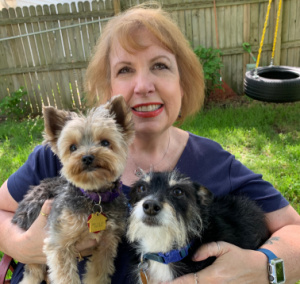

Cathy Bendzunas
Dog Blogger, Former Dog Groomer
I have adored Yorkies for well over 50 years. As a young adult, I began to show and breed them. Now, I just write about them and have several in my little pack of small dogs.
I have had dogs all my life and have trained as a dog groomer. I also have been a kennel worker, worked in a pet hotel through PetSmart, and still am a pet sitter.
Check out my bio for more information about me.